

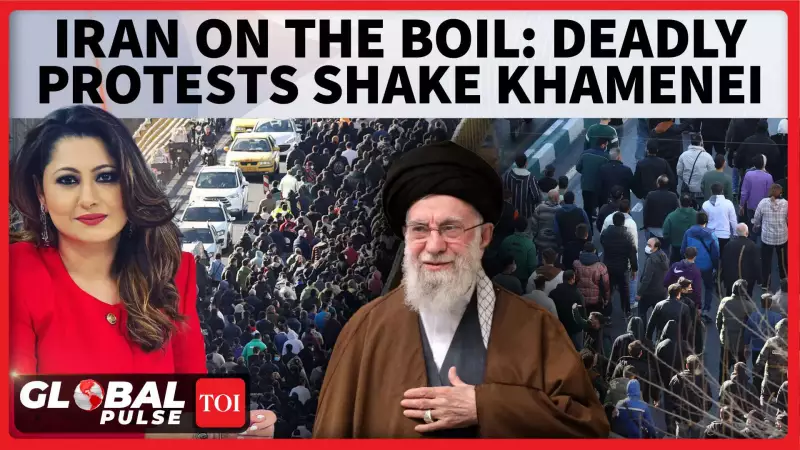
Iran is facing a new wave of significant public unrest, with protests over a severe economic crisis leading to violent clashes and drawing sharp international warnings, including from former US President Donald Trump.
Economic Grievances Spark Widespread Demonstrations
The protests, which began on January 3, 2026, were initially triggered by shopkeeper strikes in the capital, Tehran. The demonstrations quickly spread to multiple cities, with a notable intensity in rural provinces. The core drivers are soaring prices, widespread economic stagnation, and a collapsing national currency, which have severely impacted living standards.
In a rare acknowledgment from the government, President Masoud Pezeshkian admitted that the protesters have legitimate economic grievances. However, this has not stopped a firm security response. Authorities have arrested dozens of participants and vowed to deal harshly with the unrest.

Direct Challenge to the Supreme Leader
This round of protests marks a bold political challenge, with crowds openly chanting slogans demanding the ouster of the country's top authority, Supreme Leader Ayatollah Ali Khamenei. Reports indicate that at least seven people have been killed in confrontations with state security forces.
The scale of the demonstrations makes them the most serious challenge to the Iranian regime since the nationwide 2022 Mahsa Amini protests. The unrest has entered a more volatile phase, with symbols of the establishment reportedly being targeted.
International Reactions and Trump's Warning
The escalating situation has captured global attention, prompting a stark warning from Donald Trump. The former US president issued a public caution to Supreme Leader Khamenei, hinting at potential US action against the regime if the crackdown on protesters intensifies.
In response, Iranian officials fired back with their own threats, creating a tense diplomatic exchange amid the domestic turmoil. The international community is watching closely, fearing a broader and more violent suppression of dissent as the protests continue.
The combination of deep-seated economic anger and explicit political demands poses a formidable test for Iran's leadership, with outcomes that could reshape the region's political landscape.






