

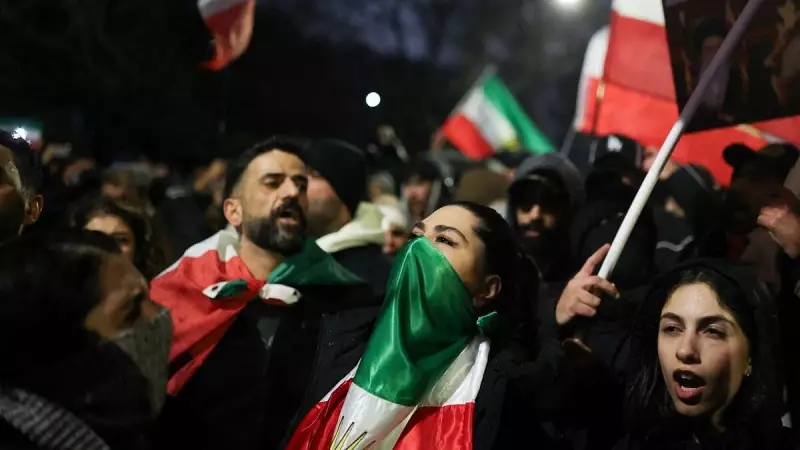
Iran is witnessing a fresh wave of public demonstrations as citizens grapple with severe economic hardships. The government, while acknowledging the financial struggles, has responded with a harsh crackdown on protesters and pointed fingers at foreign entities for instigating the unrest.
Economic Grievances Spark Public Anger
The core of the current turmoil in Iran stems from deep-seated economic difficulties. Rising prices, unemployment, and a declining standard of living have pushed citizens to the streets to voice their frustration. The government has officially recognized these challenges, a rare admission that highlights the severity of the situation. However, this acknowledgment has not translated into a tolerant approach towards the demonstrators.
Government Response: Crackdown and External Blame
Instead of offering concrete solutions, authorities have opted for a dual strategy of suppression and deflection. Security forces have moved aggressively to quell the protests, leading to reports of violence against demonstrators. Simultaneously, in a move seen by many analysts as an attempt to shift responsibility, the Iranian administration has sought to blame external forces for fomenting the unrest. Officials have accused foreign countries and intelligence agencies of orchestrating the protests to destabilize the nation.

International Spotlight and Future Implications
The events, reported by the International New York Times on 12 January 2026, have drawn global attention. The government's strategy of combining domestic repression with accusations against international actors is a familiar pattern, but it risks further alienating a population suffering from tangible economic pain. The situation remains fluid, with the potential for the protests to escalate if the underlying economic issues are not addressed meaningfully. The world watches closely as Iran navigates this period of internal tension and external scrutiny.






