Iran Reportedly Contacts CIA Through Intermediary to Explore Conflict Resolution
In a significant development in the ongoing Middle East crisis, Iran's Ministry of Intelligence has reportedly reached out to the United States Central Intelligence Agency (CIA), indicating a possible willingness to discuss terms to end the conflict. This outreach occurred through an unnamed country's spy agency, according to a Wednesday report from The New York Times.
Timing and Context of the Reported Outreach
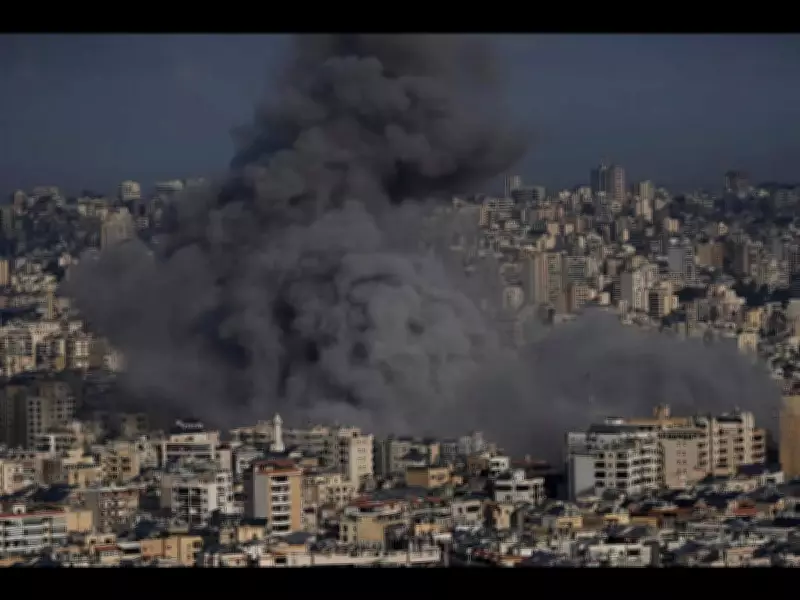
The contact was made just one day after the conflict erupted with joint United States-Israel strikes in Tehran on February 28. Since then, the region has witnessed escalating violence, including Iran's retaliatory "massive missile" strike at a US airbase in Bahrain and Israeli bombings in Beirut. The conflict has also impacted international shipping, with 38 Indian vessels currently stuck in the Persian Gulf and three sailors reported dead.
US President Donald Trump responded to the possibility of talks on Tuesday, stating it was "too late" for Tehran to pursue negotiations. Iranian officials have consistently ruled out discussions with Washington since the conflict began, making this reported outreach particularly noteworthy.

American and Israeli Reactions to Iran's Overture
Despite the diplomatic signal, American officials currently view the proposal with skepticism. Many in Washington doubt that either Iran or the Trump administration is genuinely prepared for substantive negotiations in the immediate future. The report indicates US officials do not consider the outreach "serious" at this stage.
Israeli leaders have reportedly urged the United States to dismiss Iran's overture entirely. This reflects Israel's preference to maintain military pressure rather than pursue an early diplomatic solution to the conflict. The assassination of Iran's supreme leader, Ayatollah Khamenei, during the ongoing hostilities has further complicated the situation, with Lebanon-based Hezbollah—a proxy group supported by Iran—targeting Israel in response.
Potential Terms for Conflict Resolution
Under any potential agreement to halt the bombings, the Trump administration would seek significant concessions from Iran. These would include:
- A pledge to abandon or substantially scale back Iran's ballistic missile program
- Major reductions in Iran's nuclear development activities
- An end to Iran's support for foreign proxy groups, particularly Hezbollah in Lebanon
The latter demand has become especially urgent following Hezbollah's attacks on Israel, which prompted Tel Aviv to launch ground operations in southern Lebanon.
Uncertainty Surrounding Iran's True Intentions
The report notes considerable uncertainty about whether Tehran is genuinely willing to reach an agreement. Some Iranian officials reportedly believe they can inflict sufficient "physical, economic, and political pain" on the United States and Israel to force an end to the joint assault without making major concessions.
Iran has expanded its retaliatory actions beyond Israel, targeting Gulf states that host US military bases as well as civilian infrastructure in those countries. This broader campaign has raised regional tensions significantly, with the United States ordering non-emergency staff to leave its consulates in Karachi and Lahore, Pakistan, citing "safety risks."
The reported diplomatic outreach occurs against this backdrop of escalating military actions and regional instability, leaving open the question of whether genuine negotiations can emerge from the current crisis.