Iran Denies Pakistan's Assertion of Direct US Negotiations
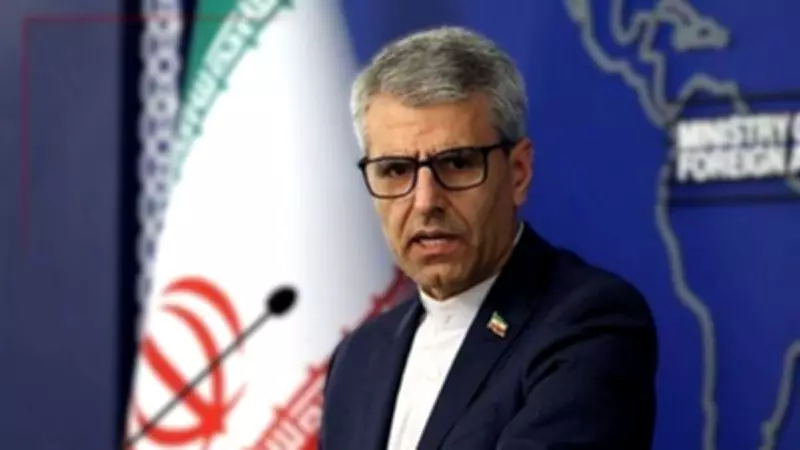
In a significant diplomatic development, Iran has categorically rejected claims made by Pakistan regarding ongoing direct negotiations with the United States. Iranian officials have stated unequivocally that no such talks are currently underway, contradicting recent statements from Pakistani sources. This denial comes amid heightened regional tensions and complex geopolitical dynamics in the Middle East, where both nations play pivotal roles.
Background of the Dispute
The controversy emerged after Pakistani officials suggested that Iran was engaged in direct discussions with the United States, potentially concerning regional security issues or bilateral relations. However, Iran has now clarified its position, emphasizing that there are no active negotiations with the US at this time. This rejection underscores the often delicate and opaque nature of international diplomacy, where public statements can sometimes diverge from behind-the-scenes realities.
Iran's official response was delivered through diplomatic channels, with spokespersons reiterating that the country maintains its longstanding policy of not engaging in direct talks with the US under current circumstances. This stance is rooted in historical tensions and ongoing disputes between Iran and the United States, including issues related to nuclear agreements, sanctions, and regional influence.

Implications for Regional Diplomacy
The denial has potential implications for regional stability and diplomatic relations. Pakistan and Iran share a border and have historically navigated a complex relationship, balancing cooperation on economic and security matters with occasional disagreements. This incident highlights the challenges of miscommunication or differing interpretations in international affairs, which can affect alliances and conflict resolution efforts.
Experts note that such public disagreements between neighboring countries can strain bilateral ties and complicate broader diplomatic initiatives in the Middle East. It may also impact multilateral forums where both nations participate, such as discussions on Afghanistan or counter-terrorism efforts.
Key Points of Contention
- Iran asserts no direct negotiations with the US are taking place, contrary to Pakistan's claims.
- The denial reflects Iran's current diplomatic posture towards the United States.
- This dispute could influence Pakistan-Iran relations and regional diplomatic dynamics.
- It underscores the importance of accurate communication in international relations to prevent misunderstandings.
As the situation unfolds, observers are closely monitoring for any further statements or developments that might clarify the positions of both Iran and Pakistan. The incident serves as a reminder of the intricate web of diplomacy in the Middle East, where national interests and external pressures often intersect.