

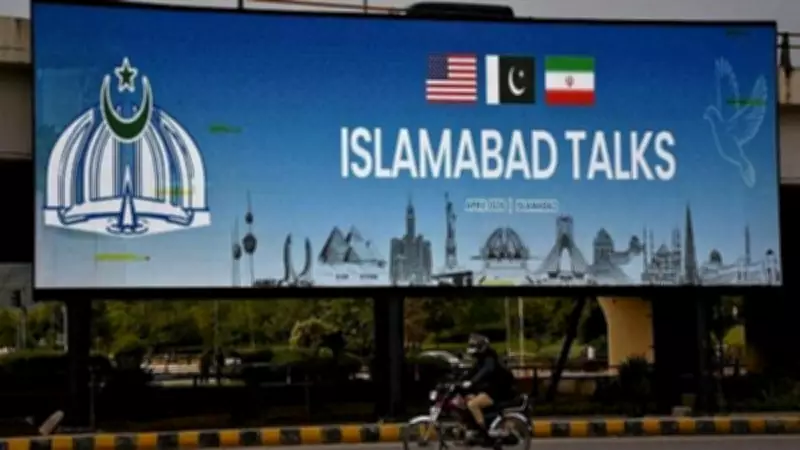
Iran Rejects Second Round of Peace Talks Amid Rising Tensions
Iran has officially declined to participate in a second round of peace negotiations, citing serious violations by the United States as the primary reason for its withdrawal. The decision comes at a time of escalating tensions between the two nations, with recent military actions in the Strait of Hormuz further complicating diplomatic efforts.
Accusations Against the United States
In a strongly worded statement, Iranian officials accused the United States of breaching ceasefire agreements through aggressive actions in the strategic waterway. Specifically, Iran pointed to a US-imposed blockade of Iranian ports in the Strait of Hormuz, which has severely impacted maritime traffic and trade. Additionally, the recent attack and seizure of an Iranian vessel attempting to evade the blockade have been highlighted as clear violations of international norms and previous diplomatic understandings.
The blockade and vessel seizure have not only heightened military confrontations but have also undermined trust in ongoing peace initiatives. Iranian representatives emphasized that such actions by the US demonstrate a lack of commitment to peaceful resolutions, making further talks futile at this stage.

Impact on Regional Stability
The Strait of Hormuz is a critical chokepoint for global oil shipments, and the increased US military presence there has raised concerns about broader regional instability. The rejection of peace talks by Iran signals a potential hardening of positions, which could lead to prolonged conflicts in the Middle East. Analysts warn that without immediate de-escalation, the situation might deteriorate, affecting not only Iran-US relations but also international security and energy markets.
This development follows a period of fragile ceasefire agreements that were intended to pave the way for comprehensive peace discussions. The US actions, as described by Iran, have effectively nullified these efforts, pushing both countries back toward a confrontational stance.
International Reactions and Future Prospects
While the US has yet to issue a formal response to Iran's accusations, observers note that this rejection could stall diplomatic progress for months. Other nations in the region, including Pakistan, are closely monitoring the situation, as any escalation could have ripple effects across the Middle East. The involvement of figures like former US President Donald Trump in previous negotiations adds a layer of complexity to current dynamics.
Looking ahead, the possibility of resuming peace talks remains uncertain. Iran has indicated that it will not engage in further discussions until the US addresses its grievances and demonstrates tangible steps toward respecting ceasefire terms. Until then, the blockade and military posturing in the Strait of Hormuz are likely to continue, keeping tensions at a boiling point.






