Iran Affirms Trump Calls It Fake News: The $300 Billion Question That Threatens the Peace Deal
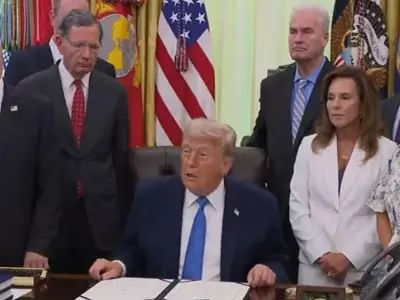
Iran has firmly rejected former US President Donald Trump's claim that Tehran demanded $300 billion as part of a new nuclear deal, labeling the assertion as "fake news" and warning that such statements undermine the fragile peace process. The controversy erupted after Trump alleged during a rally that Iran sought a massive payment in exchange for agreeing to limit its nuclear program, a figure that Iranian officials vehemently deny.
Iran's Strong Denial
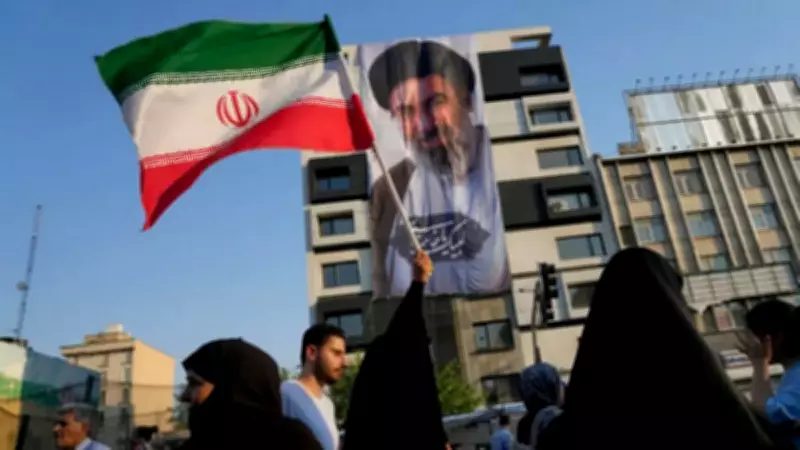
Iranian Foreign Ministry spokesperson Saeed Khatibzadeh dismissed Trump's remarks as baseless and provocative. "This is a complete fabrication and part of a pattern of spreading misinformation to derail diplomatic efforts," Khatibzadeh stated. He emphasized that Iran has not made any financial demands in negotiations, which focus solely on lifting sanctions and ensuring Iran's nuclear rights under international law.
Context of the Allegation
Trump's claim comes amid stalled talks to revive the 2015 Joint Comprehensive Plan of Action (JCPOA), from which the US withdrew in 2018. Since then, Iran has accelerated its nuclear activities, enriching uranium to near weapons-grade levels. The Biden administration has sought to re-engage Iran, but negotiations have been complicated by mutual distrust and new demands. Trump's allegation, made during a campaign-style speech, has been widely criticized by analysts as an attempt to undermine current diplomatic efforts.

Threat to the Peace Deal
Iranian officials warn that such false narratives could jeopardize any chance of a renewed agreement. "These lies are dangerous and could push the region toward further instability," said a senior Iranian diplomat who spoke on condition of anonymity. The US State Department has not officially commented on Trump's claim, but sources indicate that no such demand has been made in official channels.
International Reaction
European intermediaries, including France and Germany, have urged both sides to refrain from inflammatory rhetoric. The European Union's foreign policy chief Josep Borrell called for "restraint and focus on the core issues." Meanwhile, analysts suggest that Trump's statement may be aimed at rallying his political base rather than reflecting actual negotiations.
Looking Ahead
As the June 2026 deadline for a potential deal approaches, the stakes remain high. Iran insists that it will not accept any agreement that does not fully lift sanctions and recognize its right to peaceful nuclear technology. The US, meanwhile, faces pressure from allies to secure a deal that prevents Iran from developing a nuclear weapon. The $300 billion question, though dismissed as fiction, underscores the deep mistrust that continues to threaten a lasting peace.