

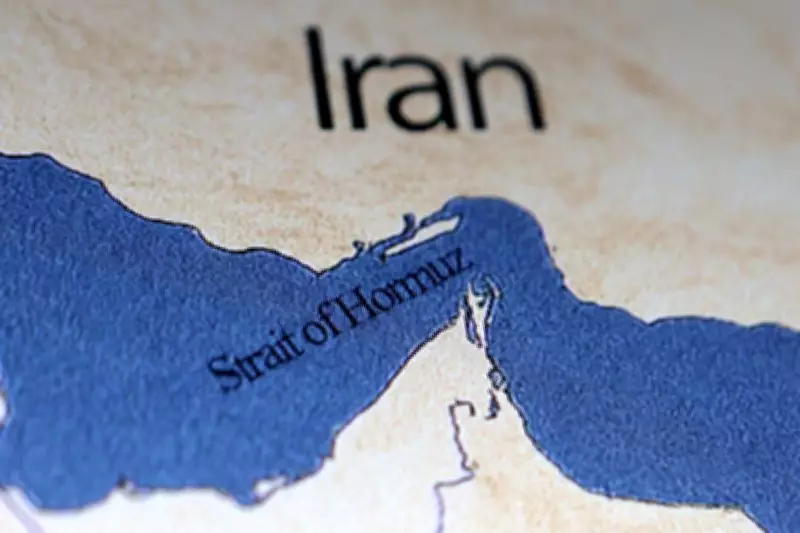
Iran Closes Strait of Hormuz Amid Escalating Regional Turmoil
In a move that has sent shockwaves through global energy markets, Iran has officially shut down the Strait of Hormuz, a narrow waterway that serves as a vital artery for the world's oil supply. This decision comes amid heightened geopolitical tensions and internal unrest in the region, posing a significant threat to international trade and economic stability.
Strategic Importance of the Strait
The Strait of Hormuz is arguably the most critical maritime chokepoint for oil transportation globally. Located between the Persian Gulf and the Gulf of Oman, it facilitates the passage of approximately 20-30% of the world's oil supply, including exports from major producers like Saudi Arabia, Iraq, the United Arab Emirates, and Iran itself. Any disruption here can lead to immediate spikes in oil prices and supply chain chaos.
Iran's closure of the strait is not an unprecedented action, but it occurs at a time of intensified regional conflicts and diplomatic standoffs. The move is widely interpreted as a strategic response to external pressures, including sanctions and military posturing by rival nations. Analysts warn that this could escalate into a broader confrontation, affecting not just energy markets but also global security dynamics.

Implications for Global Oil Markets
The immediate impact of the strait's shutdown is a surge in oil prices, with Brent crude and West Texas Intermediate experiencing sharp increases. This volatility threatens to:
- Increase fuel costs for consumers worldwide
- Disrupt supply chains dependent on oil-based products
- Strain economies already grappling with inflation and recovery from recent crises
Major importers like India, China, and European nations are particularly vulnerable, as they rely heavily on oil shipments through this route. In response, some countries are reportedly considering alternative supply sources or emergency reserves, but these measures may not fully offset the short-term disruptions.
Regional and International Reactions
The closure has prompted swift reactions from global powers. The United States and its allies have condemned Iran's action, labeling it as a provocative step that undermines maritime freedom and international law. Diplomatic channels are being activated to de-escalate the situation, but prospects for a quick resolution remain uncertain given the complex web of alliances and conflicts in the Middle East.
Meanwhile, regional players like Saudi Arabia and Israel are monitoring developments closely, with concerns over potential military escalations. The situation is further complicated by ongoing internal turmoil in Iran, where domestic protests and economic challenges may be influencing the government's foreign policy decisions.
Looking Ahead: Risks and Contingencies
As the crisis unfolds, the international community faces critical questions about energy security and geopolitical stability. Key risks include:
- Prolonged closure leading to sustained high oil prices
- Military incidents that could trigger wider conflicts
- Economic fallout for developing nations dependent on affordable energy
Contingency plans, such as increased production from other oil-rich regions or enhanced naval patrols, are being discussed, but their effectiveness hinges on diplomatic breakthroughs. For now, the world watches anxiously as Iran's move at the Strait of Hormuz underscores the fragile balance between energy needs and geopolitical tensions in an increasingly volatile global landscape.






