

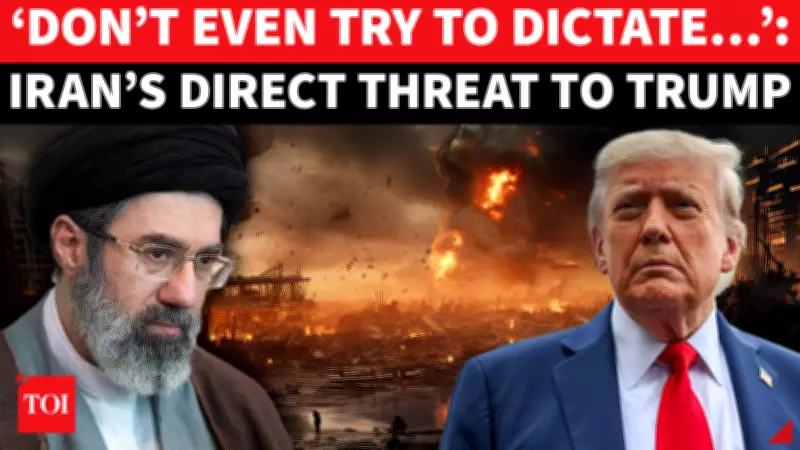
Iran Slams US Position as Unrealistic Amid Ongoing Indirect Talks
Iran has confirmed that indirect negotiations with the United States are continuing through Pakistani mediation, but no date has been established for the next round of discussions. The situation remains tense as both nations navigate a fragile diplomatic landscape.
Tehran Criticizes Washington's Stance and Warns Against Imposed Terms
Iranian spokesperson Esmaeil Baqaei strongly criticized the United States' position, labeling it as unrealistic and impractical. Baqaei emphasized that Iran will not engage in any negotiations under terms that are imposed by external forces, asserting Tehran's commitment to sovereign decision-making in diplomatic matters.
This firm stance highlights Iran's resistance to what it perceives as coercive tactics from Washington, further complicating efforts to reach a mutual agreement.

US Naval Blockade Deemed Provocative and a Threat to Ceasefire
In a significant escalation of rhetoric, Iran has described the United States naval blockade as a highly provocative action. Tehran warns that this blockade could serve as a potential trigger for violations of the current ceasefire agreement.
The ceasefire, which is set to expire on April 22, is already under strain due to these developments. Iranian officials have expressed concerns that such military posturing by the US undermines trust and stability in the region.
Pakistan's Crucial Role as Intermediary Amid Rising Tensions
Pakistan continues to play a vital role as an intermediary between Iran and the United States, facilitating communication and keeping dialogue alive. This mediation effort is crucial in preventing a complete breakdown of talks and averting a renewed escalation of hostilities.
Regional fears are mounting as the expiration date of the ceasefire approaches, with stakeholders closely monitoring the situation for any signs of further deterioration.
Broader Implications for Regional and Global Stability
The ongoing tensions between Iran and the United States have far-reaching implications for Middle Eastern stability and global geopolitics. The potential collapse of the ceasefire could lead to increased military confrontations, affecting international trade routes and diplomatic relations worldwide.
Analysts are urging both parties to exercise restraint and prioritize diplomatic solutions to avoid a broader crisis. The involvement of Pakistan as a neutral mediator is seen as a positive step, but much depends on the willingness of Iran and the US to compromise.

- Indirect talks between Iran and the US are ongoing via Pakistan, but no next meeting date is set.
- Iran criticizes the US stance as unrealistic and refuses negotiations under imposed terms.
- Tehran warns that the US naval blockade is provocative and could breach the ceasefire.
- The ceasefire is fragile and expires on April 22, with Pakistan mediating to prevent escalation.
- Regional stability is at risk, with global implications if tensions escalate further.





