

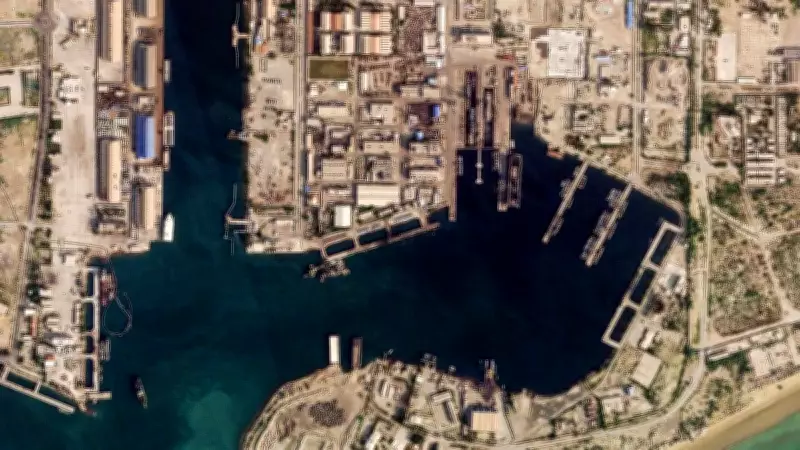
Iran Assures World That Strait of Hormuz Remains Fully Operational
In a significant development aimed at calming international markets and shipping industries, Iran has publicly declared that the Strait of Hormuz is not closed and there are no current plans to shut this critical maritime passage. This announcement comes amidst heightened geopolitical tensions in the Middle East, providing much-needed reassurance to global trade routes that rely heavily on this strategic waterway.
Official Statement Eases Global Shipping Concerns
Iranian officials have emphasized that the strait will remain open until further notice, directly addressing widespread speculation and fears about potential disruptions. The Strait of Hormuz is a vital chokepoint for oil and gas shipments, with approximately one-fifth of the world's petroleum passing through it daily. Any closure could have severe repercussions on global energy supplies and economic stability.
This clarification from Tehran is seen as a move to prevent unnecessary panic and maintain regional stability. It underscores Iran's commitment to keeping international shipping lanes functional, despite ongoing diplomatic and military challenges in the area. The statement likely aims to counter rumors and misinformation that have been circulating in recent weeks, which suggested possible blockades or restrictions.

Impact on Global Trade and Energy Markets
The assurance from Iran has immediate implications for global trade and energy security. Key points include:
- Oil Prices: Markets may see reduced volatility as the risk of supply disruptions diminishes.
- Shipping Routes: Commercial vessels can continue operations without fear of sudden closures, ensuring timely deliveries.
- Regional Diplomacy: This move could facilitate dialogue between Iran and other nations, potentially easing tensions.
Analysts note that while the situation remains fluid, Iran's current stance helps avert a crisis that could spike oil prices and disrupt supply chains worldwide. The country's control over the strait gives it significant leverage in international affairs, making such declarations crucial for global economic planning.
Background and Strategic Importance
The Strait of Hormuz connects the Persian Gulf with the Gulf of Oman and the Arabian Sea, serving as a gateway for exports from major oil-producing countries like Saudi Arabia, Iraq, and the United Arab Emirates. Its strategic importance cannot be overstated, as it is a linchpin in global energy logistics. Iran has historically used the strait as a bargaining chip in geopolitical negotiations, but this latest statement suggests a preference for stability over confrontation.
Looking ahead, the international community will closely monitor Iran's actions to ensure compliance with this assurance. Any deviation could trigger swift responses from global powers and impact diplomatic relations. For now, the open status of the Strait of Hormuz provides a temporary respite in an otherwise tense regional landscape.






