

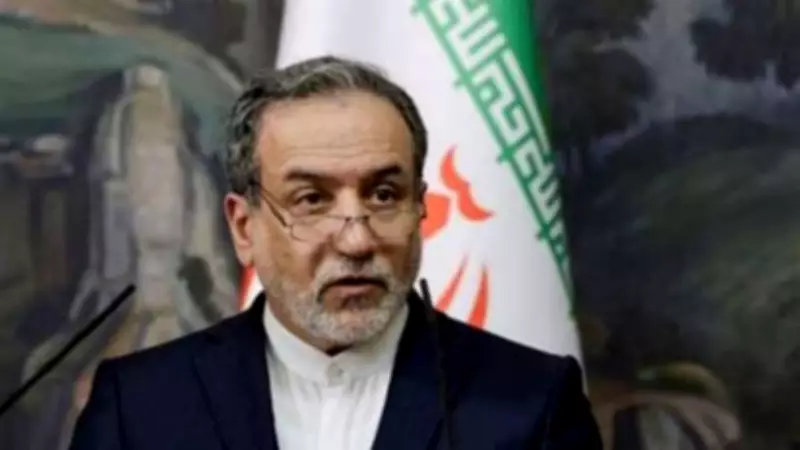
Iran and United States Engage in Indirect Diplomatic Talks in Oman
In a significant development aimed at de-escalating regional tensions, Iran and the United States have participated in indirect talks facilitated by Omani mediators. The discussions, held in Muscat, Oman, focused primarily on the contentious nuclear issue that has long strained relations between the two nations.
Omani Mediation Plays Crucial Role in Facilitating Dialogue
Omani officials acted as intermediaries, shuttling messages and proposals between the Iranian and American delegations. This diplomatic channel, established through Oman's longstanding neutral stance in Middle Eastern affairs, provided a rare opportunity for communication amid heightened hostilities. The talks involved senior diplomats, including Iran's Deputy Foreign Minister Abbas Araqchi, who represented Tehran's interests in the negotiations.
The primary objective of these discussions was to explore pathways to reduce nuclear-related tensions and prevent further escalation. Both sides expressed concerns over the potential for miscalculation and conflict, emphasizing the need for diplomatic engagement to address mutual security interests.

Focus on Nuclear Diplomacy and Regional Stability
The agenda centered on Iran's nuclear program and the United States' sanctions policy, key points of contention since the collapse of the Joint Comprehensive Plan of Action (JCPOA). Participants discussed possible confidence-building measures and steps toward reviving nuclear diplomacy, though no immediate breakthroughs were reported.
This indirect engagement marks a cautious step toward dialogue, reflecting international efforts to stabilize the region. Analysts note that while significant gaps remain, the mere occurrence of talks signals a willingness to avoid open confrontation.
- Indirect format allowed communication without direct bilateral meetings
- Oman's mediation leveraged its diplomatic relations with both countries
- Talks addressed nuclear safeguards and sanctions relief possibilities
- Outcomes could influence broader Middle Eastern security dynamics
Context of Escalating Tensions and Diplomatic Efforts
These talks occur against a backdrop of increased military posturing and sanctions enforcement, which have raised fears of conflict. Recent incidents in the Persian Gulf and disagreements over uranium enrichment levels have exacerbated tensions, making diplomatic outreach essential.
The Omani-hosted discussions are part of a series of international efforts to broker peace, with European and regional powers monitoring developments closely. Success in such forums could pave the way for more direct negotiations in the future, potentially involving other stakeholders.
- Assess mutual concerns regarding nuclear proliferation risks
- Explore interim agreements to build trust
- Coordinate with international bodies like the IAEA for verification
- Consider regional security implications beyond bilateral issues
In summary, the indirect Iran-US talks in Oman represent a critical diplomatic initiative to manage nuclear tensions. While challenges persist, this engagement underscores the importance of dialogue in preventing conflict and advancing regional stability.






