Iran has issued a stark warning, threatening to expand any conflict with the United States beyond the Middle East if Washington launches an attack. The statement comes amid heightened tensions between the two nations, with ongoing nuclear negotiations and regional proxy conflicts adding to the volatility.
Escalating Rhetoric
In a recent address, Iranian military officials declared that any US aggression would not be confined to the region. They emphasized that Iran's response would target American interests globally, potentially drawing in other countries and escalating into a broader war. This marks a significant shift in tone, as Tehran previously limited its threats to regional retaliation.
Nuclear Talks Stalled
The warning coincides with stalled negotiations over Iran's nuclear program. Talks in Vienna have made little progress, with both sides accusing each other of intransigence. The US has maintained a policy of maximum pressure, while Iran continues to enrich uranium beyond agreed limits. Analysts fear that a military confrontation could derail diplomatic efforts entirely.

Regional Proxy Conflicts
Iran's influence extends through proxy forces in Iraq, Syria, Lebanon, and Yemen. These groups have frequently targeted US troops and allies. Tehran's latest threat suggests it may unleash these proxies in a coordinated manner if attacked. This could lead to a multi-front conflict, overwhelming US defenses and regional stability.
International Reactions
The international community has reacted with concern. The United Nations called for restraint, urging both sides to return to diplomacy. European allies, particularly France and Germany, have intensified efforts to mediate. Russia and China, while critical of US policy, have also warned against escalation.
Meanwhile, Gulf states are caught in the middle. Saudi Arabia and the UAE have sought to de-escalate tensions, fearing that a war could disrupt oil supplies and economic stability. Israel, however, has supported a tougher stance on Iran, raising the possibility of preemptive strikes.
Military Posturing
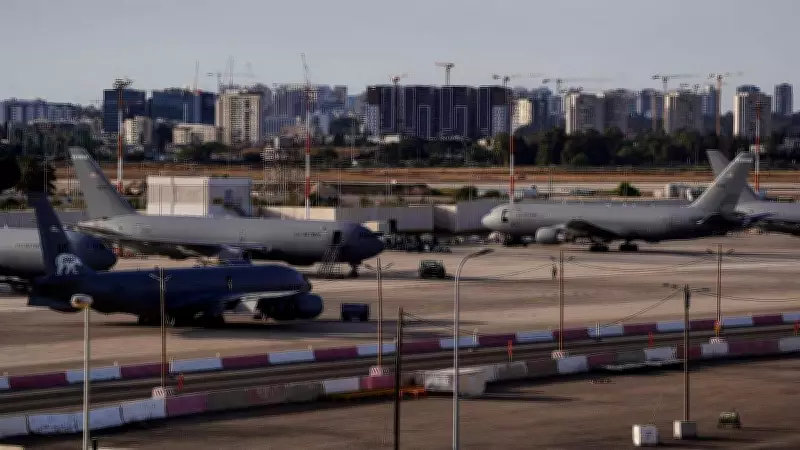
Both nations have bolstered their military presence in the region. The US has deployed additional naval assets and fighter jets, while Iran has conducted missile drills and showcased new drone technology. The risk of accidental engagement remains high, with regular close encounters between US and Iranian forces in the Persian Gulf.
Despite the rhetoric, some analysts believe a full-scale war is unlikely. Both sides have shown a willingness to avoid direct confrontation in the past. However, the current trajectory increases the chance of miscalculation. The next few weeks are critical, as diplomatic windows narrow and military preparations continue.
In conclusion, Iran's threat to expand war beyond the region underscores the fragile state of US-Iran relations. The international community must act swiftly to prevent a conflict that could have devastating global consequences.