

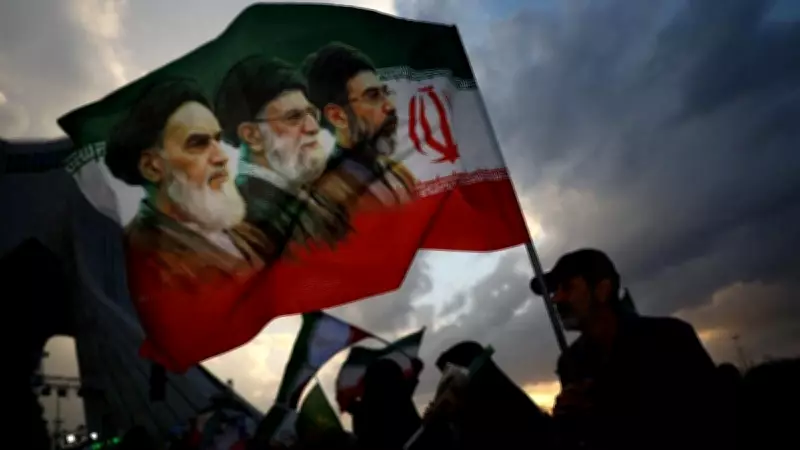
Iran has issued a stern warning to the United States, cautioning that any military attack would trigger a 'return to a lengthy conflict' in the region. The statement, delivered by Iranian officials, underscores the heightened tensions between the two nations amid ongoing geopolitical disputes.
Escalating Rhetoric
In a press conference held in Tehran, a spokesperson for the Iranian Ministry of Foreign Affairs declared that any aggression by the US would be met with a sustained and costly response. 'The United States must understand that attacking Iran will not be a short-lived affair. It will drag the entire region into a prolonged confrontation with severe consequences for all parties involved,' the spokesperson said.
Regional Implications
The warning comes as the US continues to bolster its military presence in the Persian Gulf, citing threats to commercial shipping and regional stability. Iran, in turn, has accelerated its nuclear program and conducted military drills, raising alarm among neighboring countries and international observers.

Several Middle Eastern nations, including Saudi Arabia and the United Arab Emirates, have called for de-escalation, fearing that a conflict could disrupt global oil supplies and exacerbate existing humanitarian crises. The United Nations has also urged both sides to exercise restraint and engage in diplomatic dialogue.
Historical Context
Relations between Washington and Tehran have been fraught since the 1979 Iranian Revolution, with periods of tension punctuated by brief détentes. The 2015 nuclear deal, formally known as the Joint Comprehensive Plan of Action (JCPOA), offered a pathway to reduced hostilities, but the US withdrawal in 2018 under the Trump administration reignited animosities. Subsequent sanctions and Iranian breaches of the deal have left the agreement in limbo.
Current US President Joe Biden has expressed willingness to re-enter negotiations, but progress has been slow. Hardliners in both countries view compromise as a sign of weakness, complicating efforts to find a peaceful resolution.
Military Posturing
In recent weeks, the US has deployed additional warships and fighter aircraft to the region, while Iran has showcased new missile technology and conducted large-scale exercises. Analysts warn that a miscalculation could easily spiral into open conflict. 'Both sides are playing a dangerous game of chicken,' said Dr. Sarah Johnson, a Middle East security expert at the Institute for Strategic Studies. 'Neither wants a war, but domestic pressures and strategic posturing are making it increasingly difficult to back down.'
The international community remains on edge, with oil prices fluctuating in response to every new development. Diplomatic channels remain open, but the window for a peaceful resolution is narrowing.
Iran's warning serves as a stark reminder of the stakes involved. As the world watches, the possibility of a 'lengthy conflict' looms larger than ever.






