

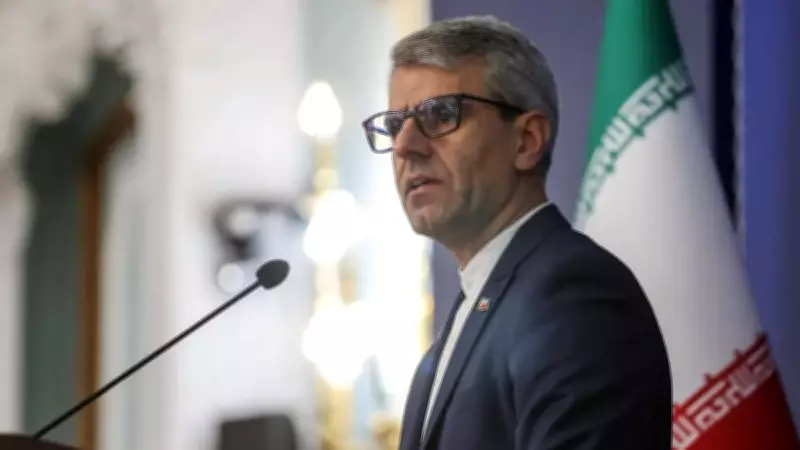
Iran's Deputy Foreign Minister Clarifies Stance on US Negotiations
In a significant development regarding Middle East diplomacy, Iran's Deputy Foreign Minister for Political Affairs, Ali Baghaei, has publicly announced that there are no immediate plans for a second round of negotiations with the United States. This statement comes amid ongoing regional tensions and follows recent diplomatic engagements between the two nations.
Official Statement from Iranian Diplomat
Ali Baghaei, a key figure in Iran's foreign policy apparatus, emphasized that while initial talks have occurred, Tehran has not yet formulated a strategy or schedule for subsequent discussions with Washington. "There is no plan yet for a second round of negotiations with the US," Baghaei stated, underscoring the cautious approach Iran is taking in its international relations. This declaration highlights the complex and often fragile nature of Iran-US interactions, which have been marked by decades of political and economic disputes.
Context of Recent Diplomatic Efforts
The announcement follows a period of heightened diplomatic activity in the Middle East, where both Iran and the US have been involved in indirect talks aimed at addressing regional security issues, including nuclear concerns and sanctions. Baghaei's remarks suggest that Iran is currently assessing the outcomes of previous engagements before committing to further dialogue. This pause in negotiations reflects broader geopolitical calculations, as Iran navigates its position amid international pressure and domestic priorities.

Implications for Middle East Stability
The absence of immediate plans for a second round of talks could have significant repercussions for regional stability. Key areas affected include:
- Nuclear Deal Dynamics: Progress on reviving or modifying the Joint Comprehensive Plan of Action (JCPOA) may be delayed.
- Economic Sanctions: US-imposed sanctions on Iran might remain in place, impacting Iran's economy and global trade relations.
- Regional Conflicts: Tensions in areas like Syria, Yemen, and the Persian Gulf could persist without diplomatic breakthroughs.
Baghaei's statement indicates that Iran is prioritizing a measured approach, possibly to leverage better terms or await shifts in US policy. This strategic patience underscores the high stakes involved in Iran-US relations, which are closely watched by global observers for signs of escalation or de-escalation.
Future Prospects and International Reactions
While no second round is planned yet, Baghaei did not rule out future negotiations entirely. Analysts suggest that Iran may be waiting for clearer signals from the US administration or developments in other diplomatic channels. The international community, including European allies and regional powers, is likely to monitor this situation closely, as any movement in Iran-US talks could influence broader Middle East peace efforts. This development serves as a reminder of the intricate balance required in international diplomacy, where timing and strategy are crucial.
In summary, Ali Baghaei's confirmation that Iran has no current plans for a second round of US negotiations highlights the ongoing complexities in Middle East diplomacy. As both nations weigh their options, the path forward remains uncertain, with potential impacts on global security and economic stability.






