

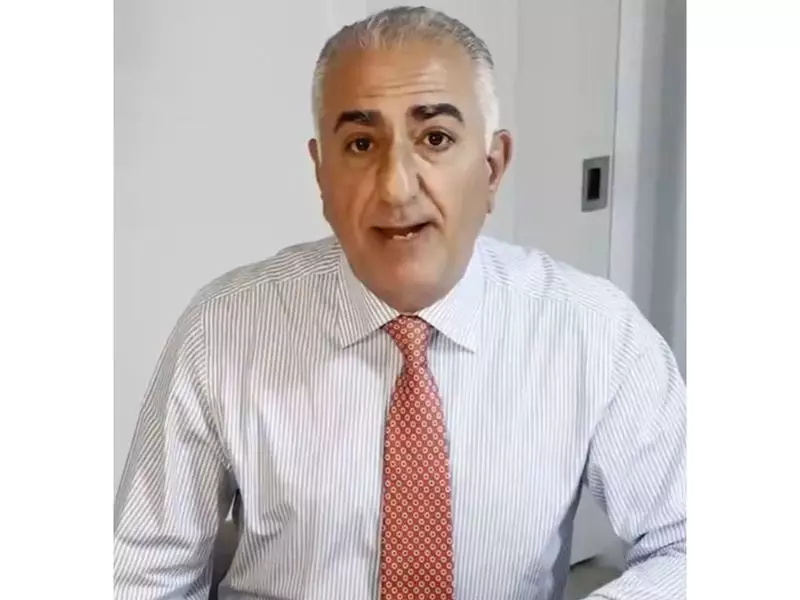
In a significant and impassioned statement, Reza Pahlavi, the exiled Crown Prince of Iran, has publicly lauded the ongoing protest movement within the country and issued a direct call for citizens to intensify their dissent by taking control of public spaces. The son of the late Shah Mohammad Reza Pahlavi, who was overthrown in the 1979 Islamic Revolution, expressed his solidarity with the Iranian people from his position outside the nation.
Pahlavi's Call to Action and Solidarity with Protesters
Reza Pahlavi's message comes amidst a renewed wave of demonstrations in Iran, often traced back to the tragic death of Mahsa Amini in September 2022. The young woman died in the custody of the country's morality police, an event that ignited nationwide anger and persistent calls for change. Pahlavi explicitly commended the courage of the Iranian people, particularly highlighting the role of women and youth who have been at the forefront of the protests.
He did not mince words in his criticism of the ruling establishment, labeling it a "theocratic dictatorship" that has failed the nation. His central appeal was for a unified and escalated public response. "The time has come to take over the streets," he declared, framing the movement as a critical struggle for the nation's future and fundamental human rights. This rhetoric marks a clear shift from mere expressions of support to an active encouragement of civil disobedience.

Appeal for International Support and Regime Condemnation
Beyond addressing the Iranian public, Pahlavi's statement carried a pointed message for the international community. He urged global leaders and nations to move beyond cautious diplomacy and adopt a firmer stance against the Iranian government. The exiled prince argued for tangible support for the protest movement, suggesting that the world must recognize the people's fight for freedom and hold the regime accountable for its actions against demonstrators.
His appeal underscores a long-standing plea from opposition figures for more decisive international pressure, including sanctions targeted at officials responsible for human rights abuses. Pahlavi positioned the internal uprising not just as an Iranian issue, but as a matter of global democratic values, seeking to amplify its resonance on the world stage.
The Historical Context and Future Implications
Reza Pahlavi's involvement adds a complex historical layer to the current unrest. As the heir to the Pahlavi dynasty, which ruled Iran for decades before the revolution, his voice carries significant symbolic weight for both supporters and detractors. While he has consistently advocated for a secular, democratic Iran, his role in any future political transition remains a subject of intense debate both inside and outside the country.
The current protests, sustained despite severe state crackdowns, represent one of the most serious challenges to Iran's clerical leadership in years. Pahlavi's explicit call to "take over the streets" is likely to be seen by the regime as a provocative act, potentially leading to further tensions. It also signals an attempt to coalesce various strands of opposition around a common tactic of mass mobilization.
The coming weeks will be crucial in determining whether this call for escalated action galvanizes the protest movement further or invites a more severe response from authorities. Regardless, the intervention highlights the deepening crisis within Iran and the growing boldness of its diaspora and opposition figures in shaping the narrative of resistance.






