

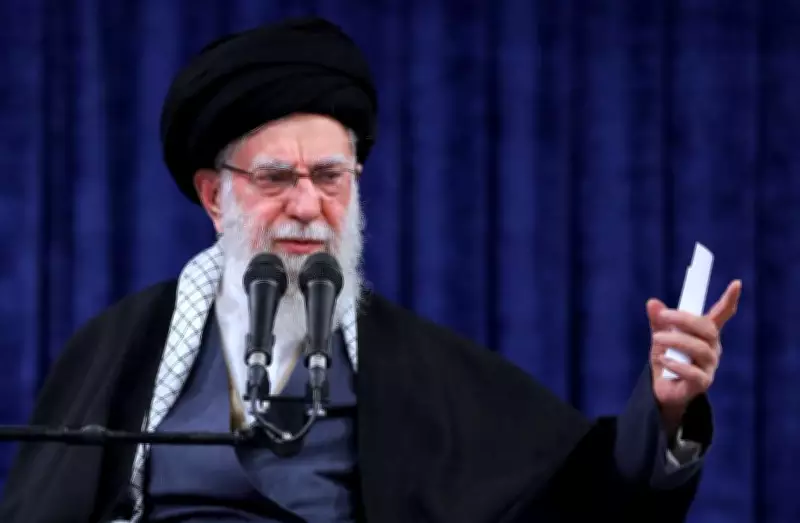
Iran's Supreme Leader Reportedly Targeted in Alleged US-Israeli Strikes
In a significant development that has sent shockwaves across the Middle East, Iran's Supreme Leader Ayatollah Ali Khamenei was reportedly targeted in strikes allegedly conducted by the United States and Israel. This revelation, based on reports from the Israeli public broadcaster, has heightened fears of a major escalation in regional conflicts, with potential implications for global diplomacy and security.
Details of the Alleged Targeting Incident
The Israeli public broadcaster disclosed that Ayatollah Ali Khamenei, the highest authority in Iran, was the focus of these strikes. While specific details regarding the location, timing, and nature of the attacks remain unclear, the report suggests a coordinated effort between US and Israeli forces. This incident marks a dramatic turn in the ongoing tensions between Iran and Western powers, particularly over issues such as nuclear proliferation and regional influence.
Regional and Global Implications
The alleged targeting of Iran's Supreme Leader could have profound consequences for the Middle East. It risks triggering retaliatory actions from Iran, which has historically responded aggressively to perceived threats. This development may further destabilize an already volatile region, affecting neighboring countries and international relations. Analysts warn that such an escalation could lead to broader conflicts, impacting global oil markets and diplomatic efforts aimed at de-escalation.

Context of US-Iran-Israel Relations
This incident occurs against a backdrop of longstanding animosity between Iran, the US, and Israel. Iran's nuclear program and its support for proxy groups in the region have been points of contention. The US and Israel have previously conducted covert operations against Iranian targets, but targeting the Supreme Leader represents a significant escalation. It underscores the deepening rift and the potential for direct confrontations in the future.
Reactions and Future Outlook
As of now, official responses from Iran, the US, and Israel are awaited. The international community is closely monitoring the situation, with calls for restraint to prevent further violence. This event highlights the fragile state of Middle Eastern geopolitics and the urgent need for diplomatic solutions to address underlying conflicts. Observers stress that any misstep could have catastrophic effects on regional stability and global peace.






