

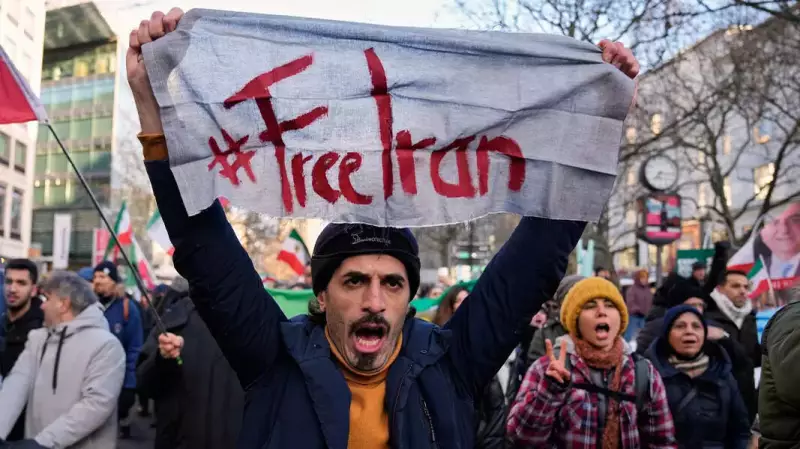
Iran's Political Landscape: A Deeper Look Beyond Headlines
Recent discussions about Iran's future often simplify the situation into a straightforward narrative of change. However, the reality is far more intricate and layered. The country's political system, established after the 1979 revolution, remains deeply entrenched with multiple power centers.
The Ayatollah's Role and System Resilience
Supreme Leader Ayatollah Ali Khamenei holds significant authority within Iran's unique theocratic structure. This system blends religious leadership with governmental functions, creating a robust framework that has weathered various internal and external pressures over decades. Many analysts point out that predicting its downfall requires understanding these institutional strengths.
Economic challenges and social unrest have indeed created tensions within Iranian society. Public protests have occurred periodically, reflecting widespread dissatisfaction with issues like inflation and political freedoms. Yet, the regime has demonstrated a consistent ability to manage these pressures through a combination of security measures and limited concessions.

Internal Dynamics and External Factors
Power struggles within Iran's elite circles play a crucial role in shaping the country's direction. Different factions, including hardliners and moderates, compete for influence over policy decisions. This internal competition often complicates any simple predictions about immediate political transformations.
International relations significantly impact Iran's domestic situation. Sanctions from Western nations have strained the economy, while regional conflicts involve Iranian proxies and allies. These external factors intertwine with internal politics, creating a complex web that defies easy analysis.
Youth Demographics and Social Change
Iran's population includes a large percentage of young people who have grown up entirely under the current system. Many express desires for greater social freedoms and economic opportunities. This generational divide represents a potential source of long-term change, though its immediate political impact remains uncertain.
The government has implemented various strategies to address youth concerns, including educational initiatives and limited cultural openings. Simultaneously, it maintains strict controls over political expression and internet access, creating a delicate balance between accommodation and repression.
Looking Ahead: Gradual Evolution Rather Than Sudden Revolution
Most experts suggest that any significant political transformation in Iran will likely occur gradually rather than through sudden upheaval. The system's institutional depth and adaptive capabilities make rapid collapse improbable. Instead, observers anticipate continued internal negotiations and incremental adjustments.
Regional stability concerns also influence this gradual approach. Neighboring countries and global powers prefer predictable transitions over chaotic scenarios that could destabilize the entire Middle East. This external preference for stability reinforces the status quo, even as internal pressures for change persist.
Ultimately, understanding Iran requires moving beyond simplistic "goodbye" narratives. The country's political future involves a multifaceted struggle among competing forces, both domestic and international. While change remains possible, its form and timing will likely emerge from complex interactions rather than straightforward victories or defeats.






