

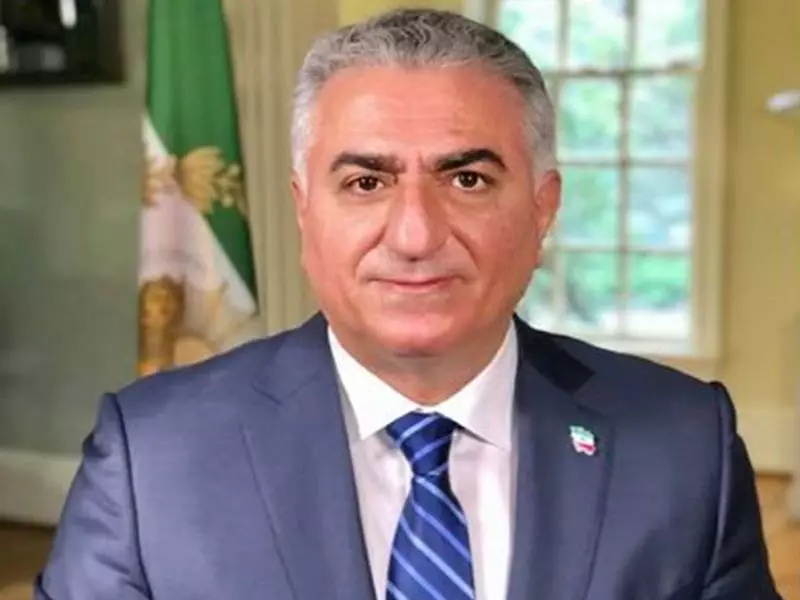
In a significant development, exiled Iranian Crown Prince Reza Pahlavi has strongly condemned the Iranian government's decision to impose a nationwide internet blackout. This drastic measure was implemented amidst large-scale protests that have erupted across the country following the tragic death of Mahsa Amini.
Widespread Protests Spark Digital Crackdown
The protests, which have now spread to over 80 cities and towns, were triggered by the death of 22-year-old Mahsa Amini. Amini died on September 16 after being detained by Iran's morality police for allegedly violating the country's strict dress code. Her death has ignited a firestorm of public anger, with demonstrators taking to the streets to demand justice and an end to oppressive laws.
In response to the escalating unrest, Iranian authorities moved to sever digital communication lines. Reports from internet monitoring groups like NetBlocks confirm a near-total disruption of internet connectivity across the nation. Mobile networks have been severely crippled, and access to popular global platforms like Instagram and WhatsApp has been completely blocked. This move is widely seen as an attempt to stifle the flow of information, prevent protest coordination, and obscure the true scale of the demonstrations from the international community.

Reza Pahlavi's Strong Condemnation
From his exile, Reza Pahlavi, the son of Iran's last Shah, Mohammad Reza Pahlavi, issued a powerful statement. He denounced the internet shutdown as a tyrannical act by the ruling regime. Pahlavi accused the government of trying to hide the truth of its violent crackdown on peaceful protesters. He framed the ongoing protests not just as a reaction to a single incident, but as a broader uprising of the Iranian people, particularly the youth and women, against decades of repression and failed governance.
"The regime's attempt to silence the Iranian people by shutting down the internet is a sign of its weakness and fear," Pahlavi stated. He expressed solidarity with the protesters and called upon the international community to take notice and support the Iranian people's quest for fundamental rights and freedom. His intervention adds a notable political voice from the diaspora to the ongoing crisis.
International Repercussions and Future Implications
The situation has drawn sharp criticism from global human rights organizations and several Western governments. The blanket internet blackout is a severe violation of digital rights and freedom of expression. It hampers the ability of citizens to document and share evidence of potential human rights abuses occurring during the protests.
The death toll from the protests is reported to be at least 41, according to state television, though rights groups fear the actual number is much higher. The internet blockade makes verifying these figures and understanding the full extent of the violence extremely difficult. Analysts suggest that such digital repression could become a more common tactic for authoritarian regimes facing internal dissent, setting a dangerous precedent for information control in the 21st century.
As the protests continue, the world watches closely. The actions of the Iranian government, including the internet shutdown and the forceful response to demonstrations, will have lasting implications for the country's internal stability and its relations with the rest of the world. The voice of figures like Reza Pahlavi highlights the deep-seated divisions and the persistent demand for change within Iranian society.






