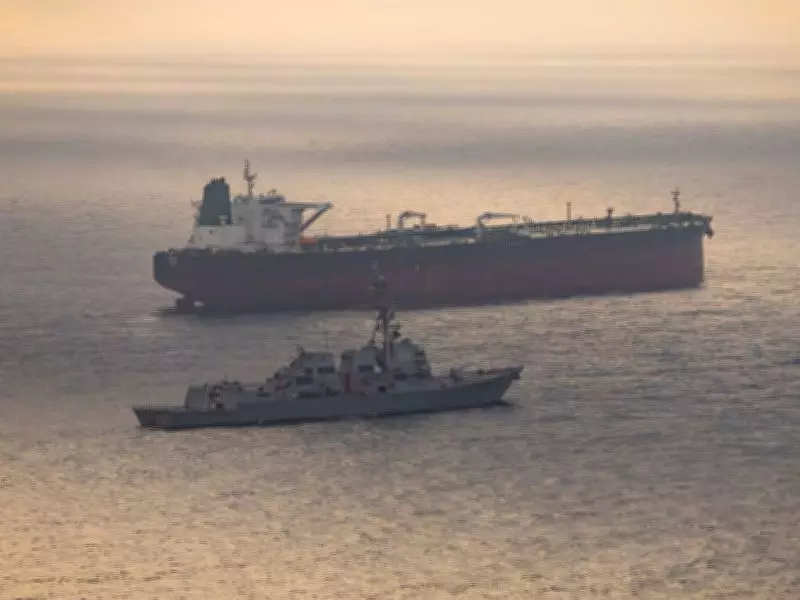
Iran's Islamic Revolutionary Guard Corps (IRGC) has announced a series of new maritime measures aimed at ensuring the security and prosperity of the Strait of Hormuz, a critical waterway for global oil shipments. The announcement was made by IRGC Commander Major General Hossein Salami during a ceremony on Tuesday, emphasizing the strategic importance of the region.
New Measures for Stability
The IRGC's new measures include enhanced naval patrols, advanced surveillance systems, and coordinated operations with regional allies. According to General Salami, these steps are designed to transform the Hormuz waters into a source of security and economic prosperity for all nations relying on the passage. The Strait of Hormuz, located between Iran and Oman, handles about 20% of the world's oil transit, making it a focal point of global energy security.
Regional Cooperation
Iran has called for increased cooperation among Persian Gulf states to maintain stability in the waterway. The IRGC's initiative aims to counter any potential threats from external forces and ensure uninterrupted maritime traffic. General Salami stated that Iran is committed to protecting the strait as a shared resource, rejecting any foreign interference that could disrupt peace.

Economic Implications
The announcement comes amid ongoing tensions between Iran and the United States, which have previously led to confrontations in the region. Analysts suggest that the new measures could reassure global markets about the safety of oil shipments through Hormuz. Iran's move is seen as an effort to assert its role as a key guarantor of maritime security in the Persian Gulf.
Reactions and Future Outlook
International reactions have been mixed, with some nations welcoming Iran's commitment to stability while others express concern over the militarization of the strait. The IRGC has emphasized that the measures are defensive in nature and align with international maritime laws. As the situation unfolds, the global community will closely monitor the implementation of these new protocols.