

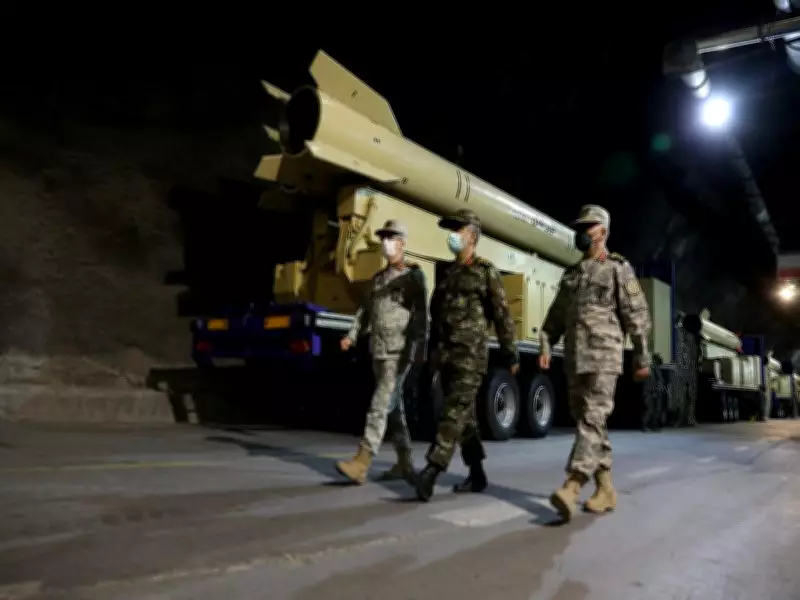
IRGC Commanders Issue Defiant Warning to US Despite Ceasefire Agreement
Senior commanders of Iran's Islamic Revolutionary Guard Corps (IRGC) have issued a defiant warning to the United States, asserting their readiness to respond to any threats despite a recent ceasefire agreement between the two nations. This development underscores the persistent tensions in the Middle East, even as diplomatic efforts aim to de-escalate conflicts.
Defiant Stance Amid Diplomatic Moves
Despite the ceasefire, IRGC leaders have emphasized that their forces remain "hands on the trigger," prepared to act against perceived American aggression. This rhetoric highlights the deep-seated mistrust between Iran and the US, which has fueled regional instability for years. The warning serves as a reminder that military posturing continues to play a key role in Iran's foreign policy, even during periods of negotiated calm.
Background of US-Iran Ceasefire
The ceasefire agreement, brokered through indirect talks, was intended to reduce hostilities and prevent further escalation in the region. However, IRGC commanders' statements suggest that Iran is maintaining a high state of alert, viewing the US as an ongoing threat. This stance reflects Iran's broader strategy of balancing diplomatic engagement with military preparedness to safeguard its interests.

Implications for Regional Security
The IRGC's warning has significant implications for Middle East security:
- Increased Risk of Miscalculation: With both sides on high alert, any minor incident could quickly escalate into a larger conflict.
- Impact on Diplomacy: Such statements may undermine trust-building efforts and complicate future negotiations.
- Regional Allies: Neighboring countries are likely monitoring the situation closely, as tensions between Iran and the US often spill over into proxy conflicts.
Analysis of IRGC's Role
The IRGC, a powerful military and political force in Iran, plays a crucial role in shaping the country's defense and foreign policies. Their defiant warnings are not merely rhetorical but signal Iran's commitment to projecting strength in the face of external pressures. This approach is consistent with Iran's historical stance of resisting what it perceives as Western hegemony in the region.
In summary, while the US-Iran ceasefire represents a step toward de-escalation, the IRGC's recent warnings highlight the fragile nature of peace in the Middle East. Ongoing vigilance and diplomatic efforts will be essential to prevent a resurgence of hostilities and promote long-term stability.






