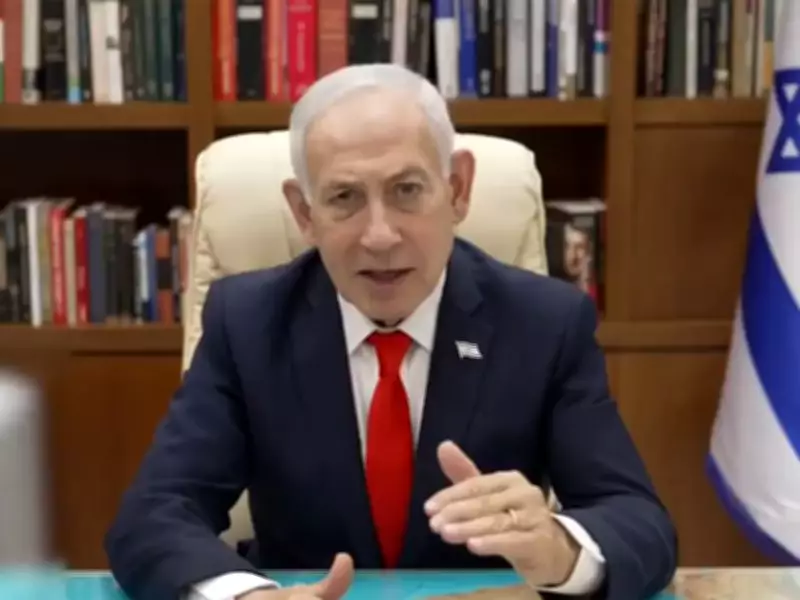
Israeli Prime Minister Benjamin Netanyahu confirmed that Israeli naval forces intercepted a flotilla attempting to breach the maritime blockade of the Gaza Strip. The flotilla, organized by activist groups, was reportedly carrying humanitarian aid and aimed to challenge the Israeli-imposed restrictions on Gaza. Netanyahu stated that the vessels were supporting Hamas, the militant group that controls Gaza, and that Israel would not allow any violation of its sovereignty or security.
Details of the Interception
The interception occurred in international waters, according to Israeli officials. Naval commandos boarded the ships without significant resistance, and the vessels were redirected to the Israeli port of Ashdod. The passengers, including activists from various countries, were detained for questioning. Israel claims that the aid onboard would be inspected and transferred to Gaza through official channels if deemed appropriate.
International Reactions
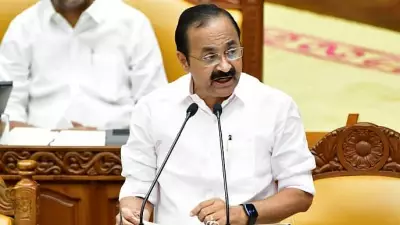
Spanish Prime Minister Pedro Sanchez condemned the Israeli action, calling it a violation of international law. Sanchez emphasized that Spain supports the rights of Palestinians and the freedom of navigation. He urged the European Union to take a firm stance against Israel's blockade of Gaza. Other nations also expressed concern, with some calling for an independent investigation into the incident.

The flotilla, named the "Freedom Flotilla," was organized by a coalition of pro-Palestinian groups. Activists accused Israel of piracy and violating humanitarian principles. This event marks a resurgence of attempts to break the blockade, reminiscent of the 2010 Mavi Marmara incident that resulted in casualties.
Netanyahu defended the operation, stating that Israel has the right to protect its borders and prevent arms smuggling to Hamas. He accused the flotilla organizers of provocation and urged the international community to recognize Israel's security concerns. The situation remains tense, with potential implications for regional stability and peace efforts.