

Israel Pledges Ongoing Military Action Against Hezbollah in Lebanon
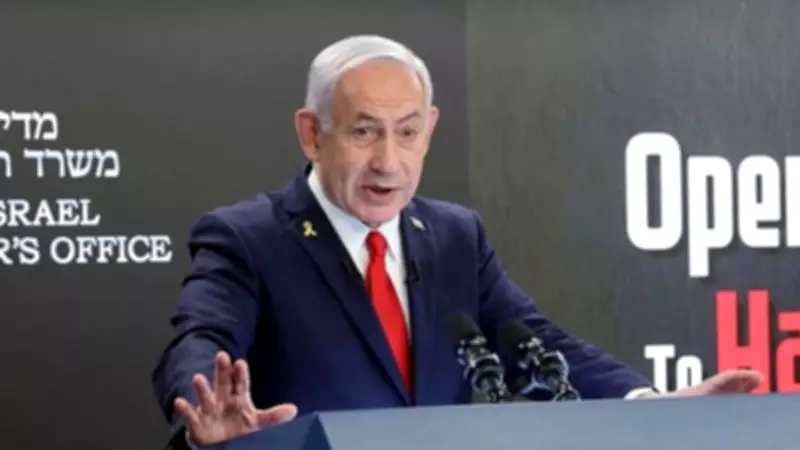
In a firm declaration, Israeli Prime Minister Benjamin Netanyahu has stated that Israel will continue to strike Hezbollah targets in Lebanon wherever necessary. This announcement comes in the wake of recent military actions that resulted in the deaths of hundreds of people, significantly heightening tensions in the already volatile Middle East region.
Netanyahu's Statement on Hezbollah Strikes
Prime Minister Netanyahu emphasized Israel's unwavering commitment to defending its national security interests. He asserted that the Israeli Defense Forces (IDF) will persist in targeting Hezbollah operatives and infrastructure across Lebanon, regardless of the location. This stance underscores Israel's proactive approach to countering what it perceives as imminent threats from the Iran-backed militant group.
Impact of Recent Strikes in Lebanon
The recent Israeli strikes on Lebanon have led to a substantial loss of life, with reports indicating hundreds of casualties. These attacks have sparked widespread condemnation from various international bodies and neighboring countries, raising concerns about a potential escalation into a broader regional conflict. The strikes targeted Hezbollah strongholds and military installations, aiming to degrade the group's capabilities.

Regional and International Reactions
The escalation has prompted reactions from global powers and regional actors. Key points include:
- United Nations: Calls for immediate de-escalation and adherence to international law.
- United States: Urged restraint while reaffirming support for Israel's right to self-defense.
- Iran: Condemned the strikes and vowed support for Hezbollah, further complicating diplomatic efforts.
Historical Context of Israel-Hezbollah Conflict
The conflict between Israel and Hezbollah has deep historical roots, dating back decades. Hezbollah, established in the 1980s, has been a persistent adversary of Israel, engaging in numerous skirmishes and full-scale wars. The group's arsenal, including rockets and missiles, poses a continuous threat to Israeli territory, leading to periodic military confrontations.
Future Implications for Middle East Stability
Netanyahu's vow to continue strikes raises critical questions about the future stability of the Middle East. Potential outcomes include:
- Increased Military Engagements: Further clashes could lead to a protracted conflict, affecting civilian populations in both Israel and Lebanon.
- Diplomatic Strain: Ongoing hostilities may hinder peace negotiations and regional cooperation efforts.
- Humanitarian Crisis: Escalation risks exacerbating displacement and humanitarian needs in affected areas.
As the situation unfolds, the international community watches closely, hoping for a resolution that prevents further loss of life and promotes lasting peace in the region.






