

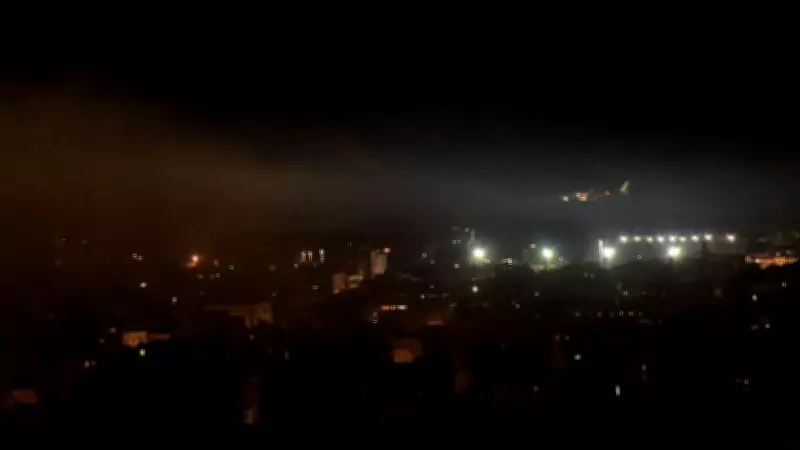
Israeli Military Strikes Target Areas Near Beirut, Lebanon
In a significant escalation of regional hostilities, Israeli military forces conducted airstrikes targeting locations in close proximity to the Lebanese capital of Beirut. The strikes, which occurred recently, have intensified fears of a broader conflict in the Middle East, as tensions between Israel and the Iran-backed militant group Hezbollah continue to mount.
Envoy Suggests Disarming Hezbollah Could End the War
Amid the heightened military actions, an Israeli envoy made a notable statement, asserting that the disarmament of Hezbollah could serve as a potential pathway to ending the ongoing war. The envoy emphasized that Hezbollah's military capabilities pose a direct threat to Israel's security, and removing these arms might de-escalate the situation and pave the way for peace negotiations.
Cross-Border Hostilities Intensify
The strikes near Beirut are part of a series of recent cross-border exchanges between Israeli forces and Hezbollah militants. These incidents have included rocket fire, drone attacks, and ground skirmishes, leading to casualties on both sides and raising concerns about the conflict spreading beyond current boundaries.

Regional Implications and International Response
The escalation has drawn attention from global powers, with calls for restraint and diplomatic solutions. The United Nations and other international bodies have expressed alarm over the potential for a full-scale war, urging all parties to avoid actions that could further destabilize the region.
Hezbollah's Role and Reactions
Hezbollah, a key player in Lebanese politics and a major military force, has vowed to retaliate against Israeli strikes. The group's leadership has condemned the attacks near Beirut as acts of aggression, warning of severe consequences if such actions continue.
Background of the Conflict
The tensions between Israel and Hezbollah have deep historical roots, dating back decades. Recent months have seen a surge in violence, with both sides engaging in frequent clashes along the Israel-Lebanon border. The conflict is intertwined with broader regional dynamics, including Iran's influence and the ongoing Israeli-Palestinian dispute.
Potential Outcomes and Future Scenarios
Analysts suggest that the situation remains volatile, with several possible outcomes:
- A negotiated ceasefire, possibly mediated by international actors.
- Further escalation leading to a wider regional war.
- Continued low-intensity conflict with periodic flare-ups.
The statement from the Israeli envoy regarding Hezbollah's disarmament highlights a key demand in Israel's security policy, but achieving this goal is seen as challenging due to Hezbollah's entrenched position in Lebanon and support from Iran.
As the situation develops, the international community is closely monitoring events, with efforts underway to prevent a further deterioration of peace in the Middle East.






