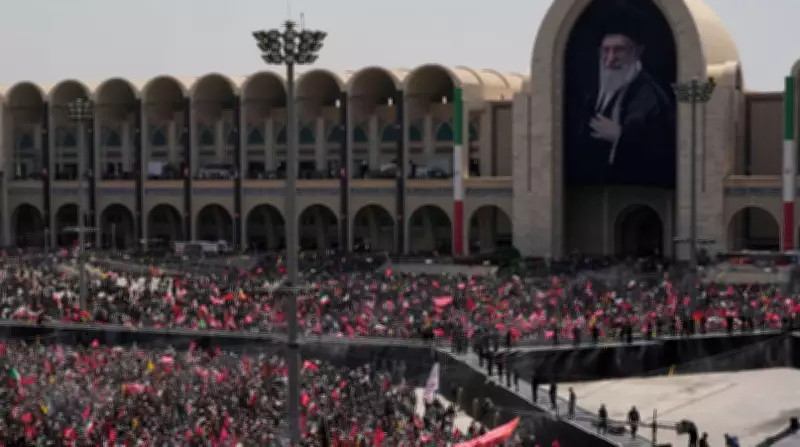
Unprecedented Funeral Preparations Underway in Iran
Iran is bracing for an extraordinary funeral procession for Supreme Leader Ayatollah Ali Khamenei, with authorities expecting up to 20 million mourners. In a startling development, officials have confirmed that thousands of graves have been dug in advance across multiple cities, raising questions about the scale and logistics of the event.
Why Thousands of Graves Are Being Dug
According to Iranian state media, the grave-digging initiative is part of a contingency plan to handle potential stampedes, health emergencies, or other casualties that could occur during the massive gathering. The Health Ministry has deployed over 10,000 medical personnel and set up 300 field hospitals along the funeral route. A senior official stated, "We are preparing for every eventuality to ensure the safety of the mourners."
Massive Security and Logistical Operation
The funeral, scheduled for July 6, 2026, will be the largest in Iran's history. Security forces have been mobilized from all 31 provinces, with over 500,000 personnel deployed. Roads leading to Tehran's Grand Mosalla Mosque have been closed, and 20,000 buses have been arranged to transport attendees. The government has also declared a national holiday for the day of the funeral.

International Reactions and Concerns
The unprecedented scale has drawn international attention. Human rights groups have expressed concern over the grave-digging, calling it a "macabre preparation." However, Iranian officials insist it is a standard precautionary measure. The United Nations has offered assistance, but Iran has declined, stating it has the situation under control.
Historical Context and Comparisons
Khamenei, 87, has been Supreme Leader since 1989. His funeral is expected to surpass the 2019 funeral of General Qasem Soleimani, which drew millions. The digging of thousands of graves is unprecedented for a single event in modern history. Experts note that the number of graves exceeds the total capacity of Tehran's largest cemetery, Behesht-e Zahra, which has approximately 1.5 million plots.
Public Sentiment and Mourning
State television has shown emotional scenes of citizens preparing for the procession. Many have traveled from rural areas to pay their respects. A mourner from Isfahan said, "This is a historic moment. We are ready to wait for days if needed." However, some critics on social media have questioned the allocation of resources, given Iran's economic challenges.