

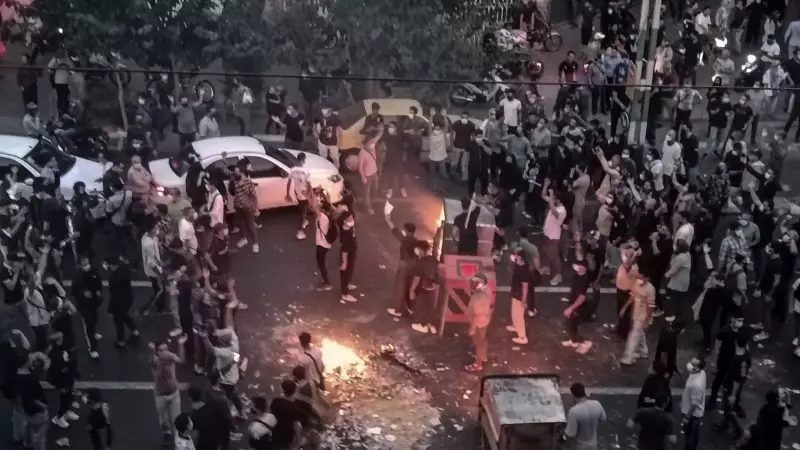
Large-scale anti-government demonstrations have swept through the Iranian capital of Tehran and several other cities, marking a significant wave of public dissent. The protests, captured in widely circulated videos, show citizens voicing their grievances against the ruling establishment.
Widespread Demonstrations Across the Nation
The protests were not confined to the capital. Simultaneous demonstrations erupted in multiple urban centers across Iran, indicating a coordinated or widely shared sentiment among the populace. The public gatherings represent a clear challenge to the authorities, with participants openly expressing their frustration.
The visual evidence from the scenes, primarily videos shared online, played a crucial role in bringing the events to the world's attention. These recordings documented the scale and intensity of the protests, bypassing traditional media channels that are heavily controlled within the country.

Public Anger and Government Response
The core of the protests appears to be deep-seated public anger directed at the Iranian government. While the specific immediate triggers for this latest wave may vary, they fit into a pattern of recurring unrest over economic conditions, social restrictions, and political freedoms.
Historically, the Iranian government has responded to such public displays of dissent with a firm hand. Security forces are typically deployed swiftly to disperse crowds and restore order. The state often blames foreign adversaries for instigating the unrest, framing protests as plots rather than organic domestic movements.
Implications and International Attention
These protests underscore the persistent and volatile tensions within Iranian society. Each new wave of demonstrations chips away at the narrative of unanimous public support for the regime and highlights the ongoing struggle between the state and a segment of its citizens.
The international community closely monitors such events in Iran, given the country's strategic importance in the Middle East. The protests can influence foreign policy calculations and diplomatic engagements concerning Iran. For the Iranian people, these events represent a continued, albeit risky, effort to demand change and make their voices heard on the national and global stage.
The situation remains fluid, and the long-term impact of these specific protests will depend on the government's subsequent actions, the protesters' resilience, and whether the movement gains further momentum or is suppressed.






