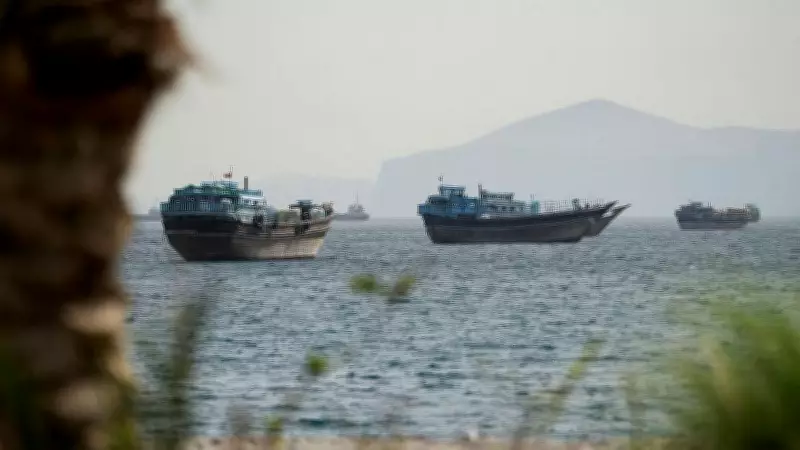
Recent ship tracking data reveals that vessels transporting crude oil and liquefied natural gas (LNG) from the Middle East have successfully navigated the Strait of Hormuz and are now en route to destinations in Pakistan and China. This movement underscores ongoing energy trade flows despite regional tensions.
Strategic Passage
The Strait of Hormuz, a narrow waterway connecting the Persian Gulf to the Arabian Sea, is a critical chokepoint for global energy supplies. Approximately 20% of the world's oil and a significant share of LNG pass through this strait. The recent passage of these vessels indicates that maritime traffic remains active, with tankers and LNG carriers continuing their journeys to key Asian markets.
Destinations and Implications
According to the tracking data, the vessels are heading primarily toward Pakistan and China. Pakistan relies heavily on imported energy to meet its domestic needs, while China is the world's largest importer of crude oil and a major LNG buyer. The shipments could help stabilize energy supplies in these countries, which are grappling with fluctuating global prices and demand pressures.

Analysts note that the continued flow of energy through the Strait of Hormuz is vital for global energy security. Any disruption in this region could lead to price spikes and supply shortages. However, the current data suggests that shipping operations are proceeding without major interruptions, despite the geopolitical complexities of the Middle East.
Regional Context
The movement of these vessels comes amid heightened tensions in the Middle East, including conflicts in Yemen and ongoing diplomatic negotiations over Iran's nuclear program. The strait has been a focal point of past confrontations, but so far, commercial shipping has not been significantly impacted. The ability of vessels to exit the strait and reach Asian ports highlights the resilience of global energy supply chains.
In conclusion, the exit of oil and LNG carriers from the Strait of Hormuz toward Pakistan and China reflects the enduring demand for Middle East energy resources and the strategic importance of this maritime route. Continued monitoring of shipping patterns will be essential to assess future risks to global energy markets.