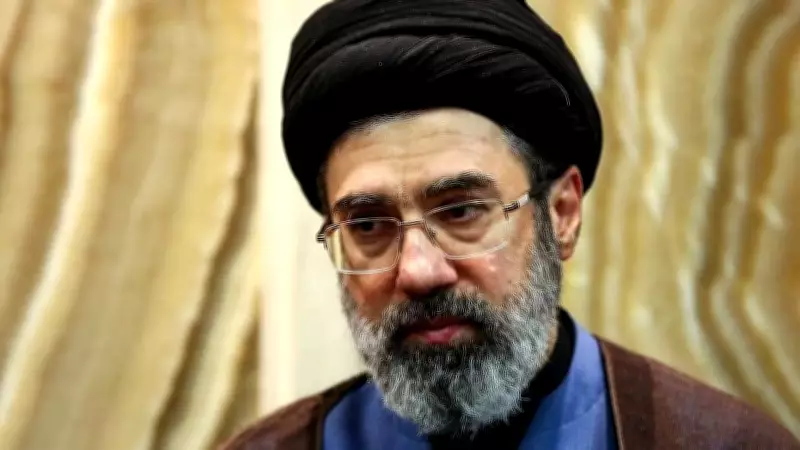
Mojtaba Khamenei, Son of Ayatollah, Poised to Become Iran's Next Supreme Leader
In a development that could significantly impact the political landscape of the Middle East, reports have emerged suggesting that Mojtaba Khamenei, the son of Iran's current Supreme Leader Ayatollah Ali Khamenei, is being positioned as his successor. This potential transition marks a pivotal moment in Iran's governance, as the Supreme Leader holds ultimate authority over the country's military, judiciary, and foreign policy.
Background and Implications of the Succession
Ayatollah Ali Khamenei, who has served as Iran's Supreme Leader since 1989 following the death of Ayatollah Ruhollah Khomeini, is now 85 years old and has faced health concerns in recent years. The role of Supreme Leader is a lifetime appointment, making the succession process a critical issue for Iran's stability and future direction. Mojtaba Khamenei, often described as a low-profile figure, has reportedly been groomed for leadership behind the scenes, with close ties to the Islamic Revolutionary Guard Corps (IRGC) and other key institutions.
If Mojtaba ascends to the position, it would represent a continuation of the Khamenei family's influence, potentially reinforcing conservative elements within Iran's political system. Analysts note that this move could affect Iran's domestic policies, including human rights and economic reforms, as well as its international relations, particularly with countries like the United States and Israel.

Reactions and Speculation in the Region
The news has sparked widespread speculation and debate both within Iran and across the global community. Supporters argue that Mojtaba's leadership could ensure continuity and stability, while critics express concerns about nepotism and the concentration of power. Regional powers are closely monitoring the situation, as any shift in Iran's leadership could influence geopolitical dynamics, including ongoing conflicts and nuclear negotiations.
Key points to consider include:
- Historical Context: The Supreme Leader is selected by the Assembly of Experts, a body of clerics, but internal politics often play a decisive role.
- Mojtaba's Profile: Unlike his father, Mojtaba has maintained a more private life, but he is believed to wield significant influence in religious and military circles.
- Potential Challenges: Succession could face opposition from reformist factions or external pressures, adding uncertainty to Iran's political future.
As developments unfold, the world watches to see how this potential leadership change will shape Iran's trajectory in the coming years.