

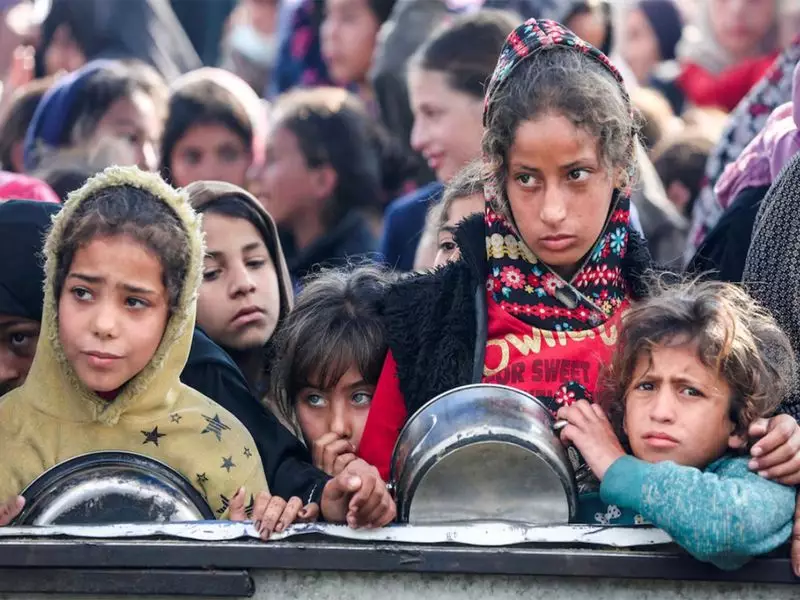
A coalition of Middle Eastern and Asian nations has issued a strong collective appeal, urging Israel to immediately lift its stringent restrictions on the delivery of crucial humanitarian aid into the Gaza Strip. This urgent call comes as the besieged Palestinian territory grapples with a rapidly deteriorating situation exacerbated by the onset of a harsh winter.
International Pressure Mounts for Unimpeded Aid Access
The diplomatic push was highlighted during a recent meeting of the Organisation of Islamic Cooperation (OIC) at the United Nations. Key regional players, including Saudi Arabia, Jordan, Egypt, and Turkey, alongside Indonesia from Asia, voiced profound concerns. They emphasized that the current limitations on aid are severely intensifying the suffering of Gaza's civilian population, particularly vulnerable groups like children, women, and the elderly.
These nations argue that Israel's blockade and complex inspection processes are creating unacceptable bottlenecks. Essential supplies, including food, clean water, medical provisions, and fuel, are stuck at border crossings or being delivered in quantities far below what is desperately needed. The international community's demand is clear: aid must be allowed to flow freely, continuously, and without obstruction to prevent a full-blown catastrophe.

Winter Conditions Compound the Humanitarian Catastrophe
The appeal carries added urgency due to the severe winter weather now hitting the region. Representatives stressed that the situation is moving from critical to catastrophic as cold rains, wind, and dropping temperatures add another layer of misery to displaced families. Millions of people are sheltering in makeshift tents or damaged buildings without adequate warmth, waterproofing, or heating facilities.
The lack of fuel for generators is crippling hospitals and water desalination plants, while the spread of communicable diseases is accelerating in overcrowded and unsanitary conditions. Diplomats warned that the combination of bombardment, disease, starvation, and now exposure to cold is creating a perfect storm for massive loss of life. They called for the immediate and full implementation of relevant UN Security Council resolutions designed to facilitate humanitarian relief.
A Call for Sustained Action and International Responsibility
Beyond the immediate call to Israel, the group of nations also underscored the broader responsibility of the international community. They advocated for a sustained and coordinated global effort to ensure the protection of civilians and to work towards a just and comprehensive political solution to the longstanding conflict.
The core message from this diplomatic coalition is that humanitarian imperatives must be prioritized above political and military considerations. Allowing aid is not just a logistical issue but a moral and legal obligation under international humanitarian law. As winter tightens its grip on Gaza, the world is watching to see if these urgent appeals will translate into tangible action on the ground, where every hour of delay deepens the crisis for two million people.






