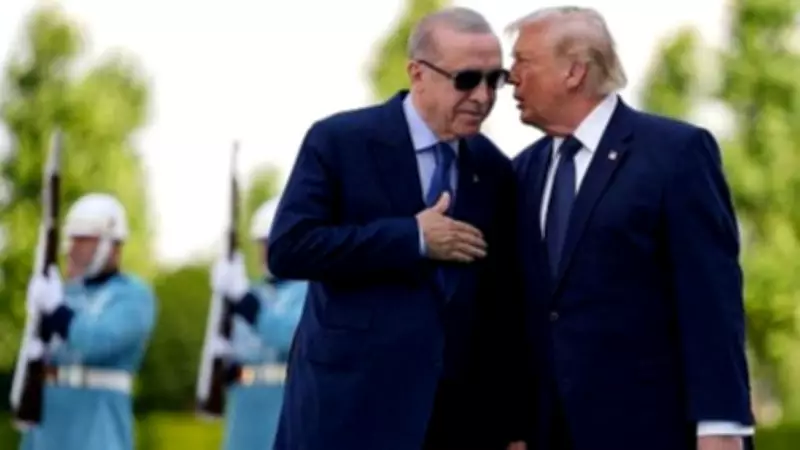
The 32 NATO leaders met for a dinner on Tuesday evening, but the main session of their summit takes place on Wednesday. The gathering in Ankara comes amid heightened tensions following former US President Donald Trump's recent statements that have rekindled disputes over Iran and Greenland.
Summit overshadowed by Trump's remarks
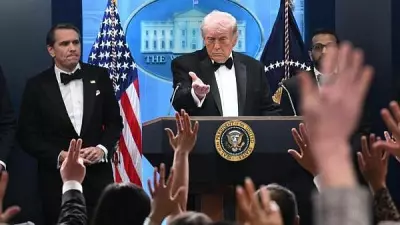
Trump's comments, which questioned NATO's role and suggested a re-evaluation of US commitments, have cast a shadow over the summit. Leaders are expected to discuss the alliance's strategic direction, including responses to regional threats and internal disagreements.
According to a senior NATO diplomat, "The alliance remains united, but Trump's rhetoric has forced us to address issues we thought were settled." The diplomat spoke on condition of anonymity due to the sensitivity of the discussions.

Iran and Greenland at the center of disputes
Trump's renewed criticism of the Iran nuclear deal and his previous interest in purchasing Greenland have resurfaced as points of contention. European allies have expressed concern over the potential destabilization of the Middle East, while Denmark has reiterated that Greenland is not for sale.
NATO Secretary General Jens Stoltenberg emphasized the importance of solidarity, stating, "We must focus on our shared challenges, including terrorism and cyber threats, rather than bilateral disagreements."
Impact on NATO's unity and future
The summit aims to reaffirm NATO's collective defense principles, but analysts warn that Trump's influence could undermine trust among member states. A recent poll indicates that 60% of Europeans view Trump's policies as a threat to transatlantic relations.
Leaders are also expected to discuss increased defense spending, with several members falling short of the 2% GDP target. The outcome of the summit will likely shape NATO's response to emerging global threats in the coming years.