

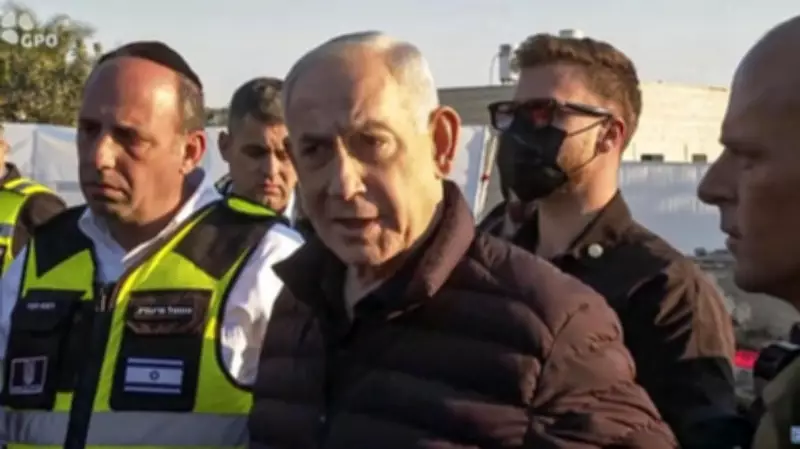
Israeli Leader Foresees Swift Collapse of Iran's Theocratic Government
In a bold statement that has reverberated across international diplomatic circles, Israeli Prime Minister Benjamin Netanyahu has asserted that the days of Iran's clerical rule are numbered. He pointed to escalating internal unrest and widespread public dissatisfaction as key indicators that the regime's grip on power is weakening significantly.
Netanyahu Cites Growing Public Dissent as Catalyst for Change
Netanyahu emphasized that the Iranian people's persistent protests against governmental policies and economic hardships signal a profound shift in the nation's political landscape. He highlighted that these demonstrations reflect a deep-seated desire for systemic change, challenging the authority of the clerical establishment that has governed Iran for decades.
The Israeli Prime Minister's remarks come at a time of heightened tensions in the Middle East, where Iran's regional influence and nuclear ambitions remain contentious issues. Netanyahu argued that the internal turmoil could precipitate a transformation in Iran's governance, potentially leading to a more moderate or secular leadership.

Regional Implications and International Reactions
This prediction carries significant weight for regional stability, as Iran's political dynamics directly impact its foreign policy and alliances. Netanyahu's comments have sparked varied responses from global observers, with some viewing them as a strategic move to isolate Iran further, while others see them as an acknowledgment of genuine grassroots movements within the country.
- Increased scrutiny on Iran's domestic policies and human rights record
- Potential shifts in diplomatic engagements with Iranian authorities
- Heightened focus on the role of youth and civil society in driving political change
As the situation evolves, Netanyahu's statement underscores the volatile nature of Middle Eastern politics and the ongoing struggle for power and representation in Iran. The international community remains watchful, assessing how internal pressures might reshape the region's geopolitical contours in the coming months.






