

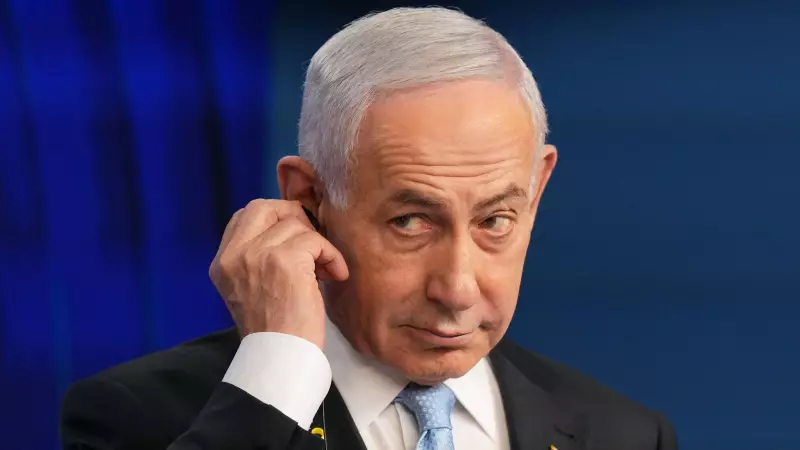
Israeli Prime Minister Benjamin Netanyahu has made a defiant statement, asserting that he has no intention of leaving the political arena. This declaration comes even if he were to be granted a pardon in the ongoing corruption cases against him.
Netanyahu's Firm Stance on Political Future
In a recent and strongly worded statement, Netanyahu addressed swirling speculation about his potential exit from politics. He categorically denied any plans for such a move. The Prime Minister emphasized that he would not step down voluntarily, regardless of any potential legal clemency offered to him. This position directly counters suggestions from some political quarters and commentators that a pardon could be a path for him to leave office gracefully amid his legal troubles.
The context of this statement is crucial. Netanyahu is currently facing a significant legal battle. He is on trial in three separate corruption cases. The charges against him are serious and include allegations of bribery, fraud, and breach of trust. These legal proceedings have cast a long shadow over his historic tenure as Israel's longest-serving prime minister.

The Legal Battles and Political Pressure
The corruption trial, which has been progressing for years, represents a major challenge to Netanyahu's leadership. His political opponents have consistently called for his resignation, arguing that a sitting prime minister cannot effectively govern while fighting serious criminal charges in court. The trial has become a central issue in Israeli politics, deeply polarizing public opinion.
Despite the immense pressure, Netanyahu has maintained his innocence throughout. He has repeatedly framed the accusations as a politically motivated "witch hunt" designed to unseat him. His latest statement reinforces this narrative of defiance. By rejecting the notion of a pardon-for-exit deal, he signals his commitment to fighting both the legal and political battles simultaneously.
This stance effectively shuts down one potential avenue for resolving the prolonged political and legal crisis surrounding his leadership. It indicates his strategy is to see the judicial process through while remaining at the helm of the government and his political party, Likud.
Implications for Israel's Political Landscape
Netanyahu's declaration has immediate and profound implications. Firstly, it ensures that the issue of his fitness to rule while on trial will remain at the forefront of national discourse. It solidifies the existing political deadlock between his supporters, who see him as a victim of a biased system, and his detractors, who demand accountability and a leader free from legal entanglements.
Secondly, the statement impacts coalition dynamics. Netanyahu leads a fragile, right-wing coalition government. His legal woes are a constant source of tension and potential instability within this alliance. By vowing to stay put, he reassures his political base and coalition partners of his continuity, but it also means the cloud of the trial will not dissipate.
Finally, this move sets the stage for the next electoral contest. It clarifies that Netanyahu intends to be a central figure, if not the leading candidate, in any future election. This could influence the strategies of both his allies and rivals as they plan for the post-Netanyahu era, which now seems postponed indefinitely by his own decree.
In conclusion, Benjamin Netanyahu's unequivocal refusal to consider leaving politics, pardon or no pardon, marks a pivotal moment. It underscores his determination to cling to power and fight his legal cases from the prime minister's office. This decision guarantees that the intertwined dramas of his corruption trial and his political fate will continue to define and destabilize Israeli politics in the foreseeable future.






