

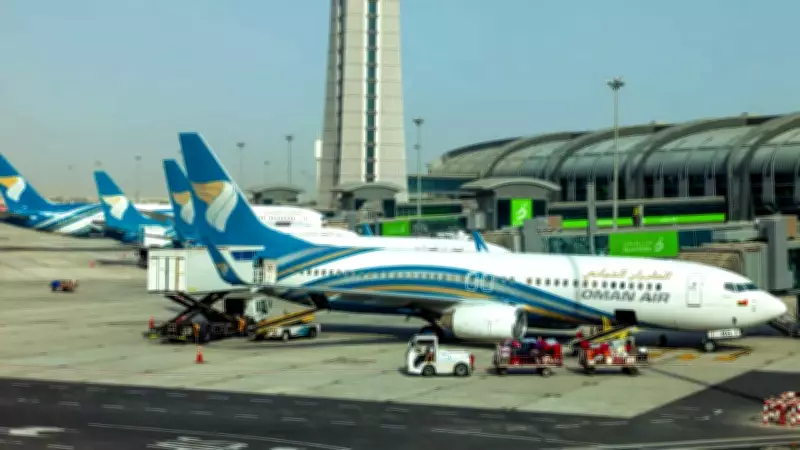
Oman Air Cancels Flights Amid Middle East Airspace Closures
Air travel across the Middle East is experiencing significant disruptions as Oman Air has announced the cancellation of several flights. This move is a direct response to ongoing regional airspace closures, which are linked to escalating geopolitical tensions involving Iran, the United States, and Israel. The cancellations reflect a broader aviation crisis unfolding across the Gulf region, where airlines are scrambling to adjust routes, suspend services, and prioritize passenger safety.
Widespread Aviation Disruptions Across the Region
The flight cancellations by Oman Air come amid rising instability triggered by the conflict, which has led multiple countries in the Middle East to temporarily close or restrict their airspace. Airlines throughout the region and beyond have been forced to suspend or reroute flights as a precautionary measure. This has resulted in a wave of disruptions affecting global aviation networks, with thousands of flights cancelled or diverted at the height of the crisis.
Oman Air confirmed that flights to several destinations have been cancelled as the airline navigates the rapidly changing aviation landscape. Affected routes include services to and from Amman, Dubai, Bahrain, Doha, Dammam, Kuwait, Copenhagen, Baghdad, and Khasab during various periods in early March. The airline stated that these cancellations are necessary due to ongoing regional airspace closures and safety concerns. Passengers have been apologized to for the inconvenience and urged to check their booking status or reschedule through official channels.

Impact on Airlines and Passengers
Other airlines in the region are also modifying their operations in response to the evolving crisis. Carriers such as Emirates and Etihad Airways have gradually resumed limited services after temporary suspensions, though schedules remain restricted and subject to regulatory approvals. Similarly, airlines like Qatar Airways have begun operating select repatriation and scheduled flights as airspace restrictions ease in some areas. However, many routes across the region remain suspended or heavily delayed, creating a ripple effect across global travel networks.
The aviation disruption has affected thousands of travelers, particularly expatriates and tourists who rely heavily on Gulf hubs such as Muscat International Airport for regional and international connections. Authorities have even imposed restrictions on private jet traffic in Muscat to prioritize commercial and government flights, highlighting the strain on airport infrastructure during the crisis. Travel experts warn that flight disruptions may continue until regional tensions ease and airspace is fully reopened.
Advice for Passengers and Industry Outlook
Passengers are being advised to take several precautions to manage the ongoing disruptions:
- Monitor airline updates regularly to stay informed about any changes.
- Confirm flight schedules before heading to the airport to avoid unnecessary travel.
- Allow extra time for travel due to possible rerouting or delays that may occur.
The current disruptions underscore how geopolitical conflicts can rapidly affect global aviation networks. The Middle East sits at the crossroads of international air travel, linking Asia, Europe, and Africa, meaning disruptions in the region can impact flights worldwide. Airlines must constantly evaluate flight safety, fuel costs, and operational risks when navigating restricted airspace. Even temporary closures can force aircraft to take longer routes, increasing travel times and operational expenses.
For Oman Air and other regional carriers, the priority remains passenger safety while maintaining essential connectivity across key international routes. As diplomatic efforts continue and security assessments evolve, airlines across the Middle East are closely monitoring developments. Aviation authorities hope that gradual reopening of airspace will allow flight schedules to normalize in the coming days or weeks. Until then, passengers traveling through the region should prepare for possible delays and last-minute schedule changes.






