

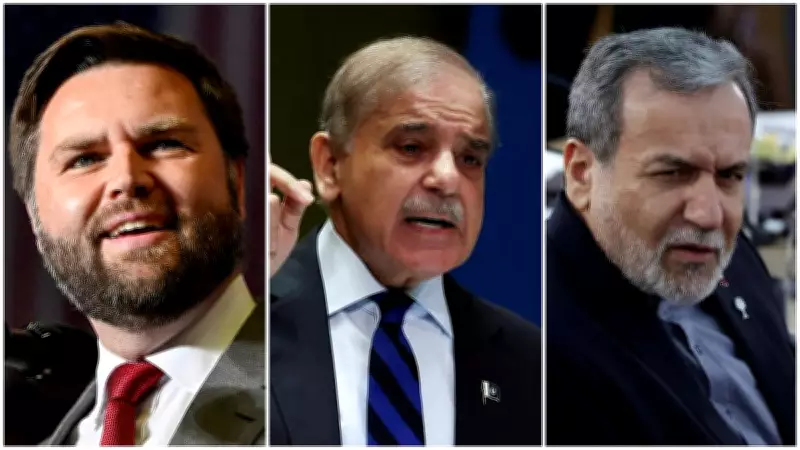
Pakistan Facilitates High-Level Dialogue Between Iran and the United States in Islamabad
In a significant diplomatic development, Pakistan has commenced mediation talks between Iran and the United States in its capital, Islamabad. This initiative marks a pivotal effort to address and potentially resolve the persistent tensions that have characterized relations between Tehran and Washington for decades. The talks, which began recently, underscore Pakistan's proactive role as a regional mediator, leveraging its strategic position and historical ties with both nations to foster constructive dialogue.
Background and Context of the Mediation Efforts
The decision to host these talks in Islamabad comes amid a backdrop of escalating geopolitical complexities in the Middle East. Iran and the United States have been embroiled in a series of disputes, ranging from nuclear proliferation concerns to regional proxy conflicts. Pakistan, with its longstanding relationships with both countries, has positioned itself as a neutral intermediary, aiming to bridge the gap and promote stability in the volatile region. This mediation effort is seen as a critical step toward de-escalating hostilities and exploring avenues for mutual understanding.
Objectives and Expected Outcomes of the Islamabad Talks
The primary objective of the Pakistan-mediated talks is to establish a framework for ongoing diplomatic engagement between Iran and the United States. Key areas of discussion include security cooperation, economic sanctions, and regional stability. By facilitating direct communication, Pakistan hopes to reduce misunderstandings and build trust, which could lead to more substantive negotiations in the future. The talks are expected to cover a wide range of issues, with both sides expressing cautious optimism about the potential for progress.

Pakistan's Role as a Mediator: Pakistan's involvement in these talks highlights its commitment to regional peace and its ability to navigate complex international relationships. The country has previously engaged in similar diplomatic efforts, though this marks one of its most high-profile mediation attempts between two major global powers. Analysts suggest that a successful outcome could enhance Pakistan's diplomatic stature and contribute to a more stable Middle East.
Challenges and Potential Implications for Regional Dynamics
Despite the hopeful start, the mediation talks face significant challenges. Deep-seated mistrust between Iran and the United States, coupled with divergent policy goals, could hinder progress. Additionally, external factors, such as the involvement of other regional actors and ongoing conflicts, may complicate the dialogue. However, if the talks yield positive results, they could pave the way for reduced tensions, increased cooperation on shared issues like counterterrorism, and a potential thaw in bilateral relations.
International Reactions: The international community is closely monitoring the developments in Islamabad, with many countries expressing support for Pakistan's mediation efforts. Success in these talks could have far-reaching implications, not only for Iran-US relations but also for global diplomacy and security in the Middle East.






