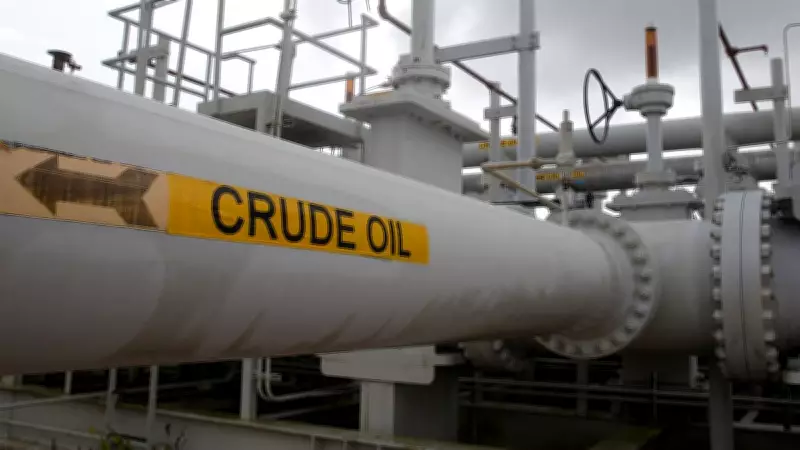
Pakistan has announced plans to establish strategic petroleum reserves and expand storage capacity, aiming to mitigate risks posed by potential disruptions in the Strait of Hormuz. The decision comes as the country's heavy reliance on the chokepoint for oil and liquefied natural gas (LNG) supplies exposes significant vulnerabilities.
Current Dependence on Hormuz
Pakistan depends on the Strait of Hormuz for up to 90% of its oil and LNG imports. However, the country currently lacks any strategic petroleum reserves, leaving it highly susceptible to supply shocks. The strait, a narrow waterway between Iran and Oman, is a critical transit route for global energy shipments, and any geopolitical tension or accident could severely impact Pakistan's energy security.
Planned Measures
The government is exploring options to build underground storage facilities and expand existing tank farms. Initial estimates suggest a need for reserves equivalent to at least 30 days of net imports, in line with International Energy Agency recommendations. The project is expected to involve public-private partnerships and international financing.

Officials stated that the reserves would help stabilize fuel prices during crises and ensure uninterrupted supply for essential sectors. The plan also includes diversifying import sources and increasing domestic exploration to reduce long-term dependence on Hormuz.
Geopolitical Context
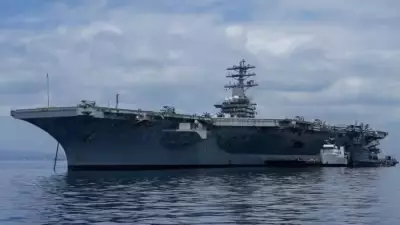
The announcement follows heightened tensions in the Middle East, including recent incidents near the Strait of Hormuz. Pakistan, which shares a border with Iran, has sought to balance relations with regional powers while securing its energy needs. The new storage initiative is part of a broader strategy to enhance energy resilience.
Challenges Ahead
Analysts warn that building strategic reserves will require significant investment and time. Pakistan's fiscal constraints and energy sector inefficiencies pose hurdles. However, the government is prioritizing the project, citing national security interests. The first phase is expected to begin within two years.