

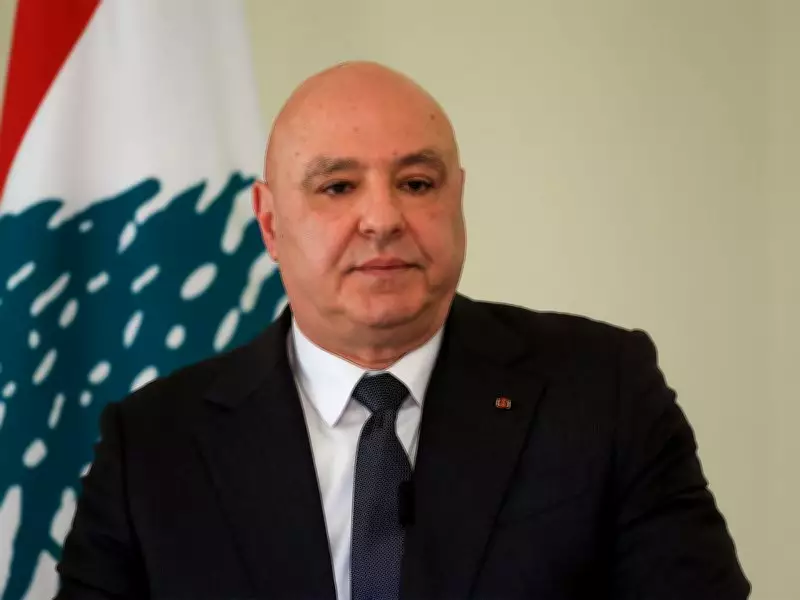
Lebanese President Michel Aoun Champions 'Lebanon First' Doctrine
In a significant address aimed at fostering national cohesion, Lebanese President Michel Aoun has publicly promoted a 'Lebanon First' message, a move widely interpreted as indirect criticism of the powerful militant and political group Hezbollah. This development occurs against a backdrop of escalating regional tensions and profound domestic crises, including economic collapse and political deadlock.
Context of Aoun's Nationalistic Appeal
President Aoun, a key political figure in Lebanon's complex sectarian landscape, delivered his remarks during a period of heightened scrutiny over Hezbollah's activities. The group, which is designated as a terrorist organization by several countries including the United States, wields substantial influence within Lebanese politics and military affairs. Aoun's call for prioritizing national interests over partisan or external allegiances is seen as a subtle rebuke of Hezbollah's alignment with Iran and its involvement in regional conflicts, such as the Syrian civil war.
Implications for Domestic and Regional Stability
The 'Lebanon First' doctrine underscores Aoun's attempt to navigate Lebanon's precarious position amidst international pressure and internal divisions. By advocating for a unified national stance, he aims to address concerns about sovereignty and reduce Lebanon's vulnerability to external interventions. This message resonates with many Lebanese citizens who are weary of the country's entanglement in proxy wars and seek stability and economic recovery.

However, the indirect nature of the criticism highlights the delicate balance Aoun must maintain. Hezbollah remains a formidable force within his own political coalition, and overt confrontation could destabilize the fragile government. The situation is further complicated by:
- Ongoing economic hardships, including hyperinflation and unemployment.
- International demands for reforms and accountability.
- Regional geopolitical rivalries involving Iran, Saudi Arabia, and Israel.
Broader Reactions and Future Outlook
Reactions to Aoun's stance have been mixed, with supporters praising his emphasis on national unity and critics questioning its effectiveness given Hezbollah's entrenched power. The international community, particularly Western nations, views this as a potential step toward curbing Hezbollah's influence and promoting peace in the Middle East.
Looking ahead, the success of the 'Lebanon First' initiative will depend on Aoun's ability to garner broader political support and implement tangible policies that prioritize Lebanese interests. As Lebanon grapples with multifaceted challenges, this message could shape the country's trajectory in the coming months, influencing diplomatic relations and internal governance.






