

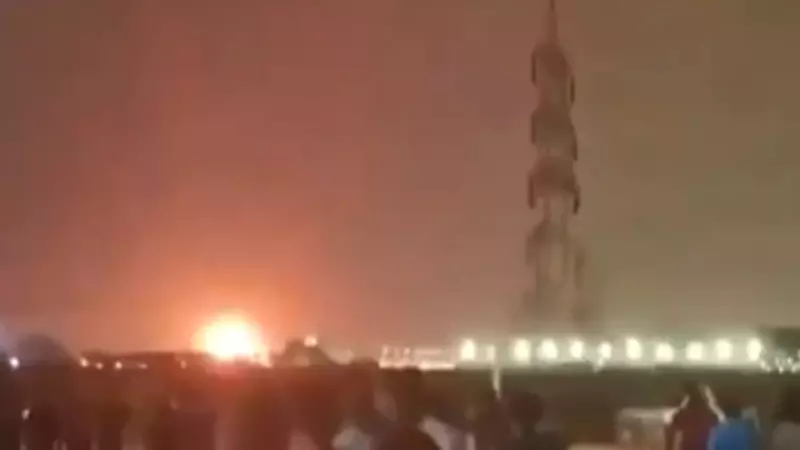
World's Largest LNG Plant in Qatar Struck by Iranian Missile, Fire Erupts
In a significant escalation of regional tensions, the world's largest liquefied natural gas (LNG) plant located in Qatar has been hit by an Iranian missile, resulting in a substantial fire on the site. The incident, which occurred recently, has been captured in video footage that has emerged online, showing flames and smoke billowing from the facility. This attack targets a critical piece of global energy infrastructure, raising immediate alarms about potential disruptions to the international gas supply chain.
Details of the Attack and Immediate Impact
The missile strike specifically targeted the LNG plant, which is renowned as the largest of its kind globally, playing a pivotal role in Qatar's economy and the world's energy market. The fire that ensued has caused visible damage, though the full extent of the destruction and any casualties remain under investigation. Authorities in Qatar have been mobilized to contain the blaze and assess the situation, with emergency response teams working tirelessly to mitigate the impact. The video evidence circulating on social media platforms provides a stark visual confirmation of the severity of the incident, highlighting the vulnerability of such key installations to geopolitical conflicts.
Geopolitical Context and Regional Tensions
This attack occurs against a backdrop of heightened tensions between Iran and various Gulf states, including Qatar. Iran's missile capabilities have been a point of contention in the region, and this direct strike on a major energy facility underscores the potential for such conflicts to spill over into critical economic sectors. The Middle East, already a hotspot for political and military strife, now faces added instability as energy security becomes a focal point. Analysts suggest that this incident could exacerbate existing diplomatic rifts and prompt retaliatory measures, further complicating the fragile balance in the area.

Implications for Global Energy Markets
The targeting of Qatar's LNG plant has profound implications for global energy markets. Qatar is a leading exporter of liquefied natural gas, and any disruption to its operations could lead to supply shortages, potentially driving up prices worldwide. This event highlights the interconnectedness of energy infrastructure and geopolitical risks, emphasizing the need for robust security measures at such facilities. Stakeholders in the energy sector are closely monitoring the situation, as prolonged damage or operational halts could have cascading effects on industries and consumers dependent on stable gas supplies.
Response and Future Outlook
In response to the attack, Qatari officials have initiated a thorough investigation to determine the missile's origin and the motives behind the strike. International observers are calling for restraint and dialogue to prevent further escalation, stressing the importance of protecting critical infrastructure from becoming casualties in regional disputes. The incident serves as a stark reminder of the vulnerabilities in global energy networks and the urgent need for enhanced diplomatic efforts to address underlying conflicts. As updates continue to emerge, the focus remains on assessing the damage, ensuring safety, and stabilizing the affected operations to minimize long-term repercussions.






