

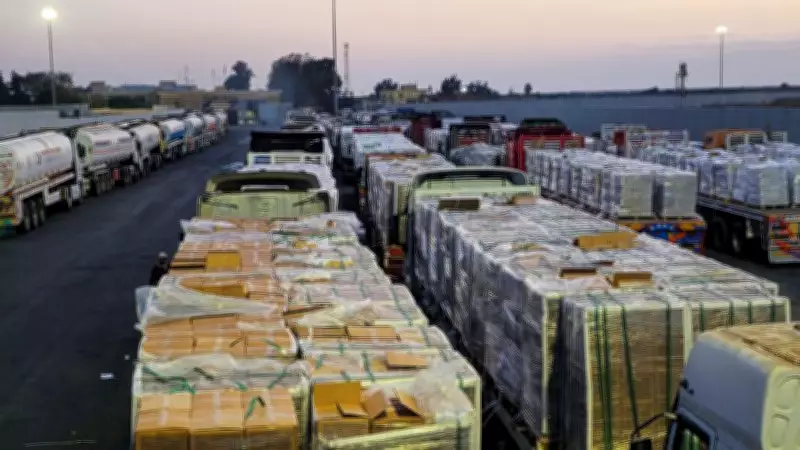
Rafah Border Crossing Reopens for Limited Traffic Between Gaza and Egypt
Officials have announced the reopening of the Rafah border crossing, which connects the Gaza Strip with Egypt, for limited traffic. This development comes amid ongoing tensions and humanitarian concerns in the region, marking a significant step in facilitating movement across the border.
Details of the Reopening
The Rafah border crossing, a crucial point of entry and exit for Gaza, has resumed operations under restricted conditions. Authorities have confirmed that the crossing is now open for a limited number of individuals and goods, aiming to ease some of the pressures faced by residents in the area.
This move is expected to allow for the passage of essential supplies and people, including medical aid and those with urgent travel needs. The reopening follows previous closures and restrictions that have impacted daily life and economic activities in Gaza.

Context and Implications
The Rafah crossing has historically been a vital lifeline for Gaza, providing access to the outside world. Its reopening, even on a limited basis, could have several implications:
- Humanitarian relief: Enhanced flow of aid and resources to address shortages.
- Economic impact: Potential boost to local trade and mobility.
- Diplomatic significance: Reflects ongoing negotiations and regional dynamics.
Officials have emphasized that the traffic is being carefully monitored to ensure security and compliance with regulations. This cautious approach underscores the complex geopolitical landscape surrounding Gaza and its borders.
Regional and Global Reactions
The reopening has drawn attention from various stakeholders in the Middle East and beyond. While some view it as a positive step towards easing humanitarian crises, others remain cautious about its long-term sustainability and impact on broader conflict resolution efforts.
In summary, the limited reopening of the Rafah border crossing represents a key development in the ongoing situation in Gaza, offering a glimmer of hope for improved conditions while highlighting the challenges that persist in the region.






