

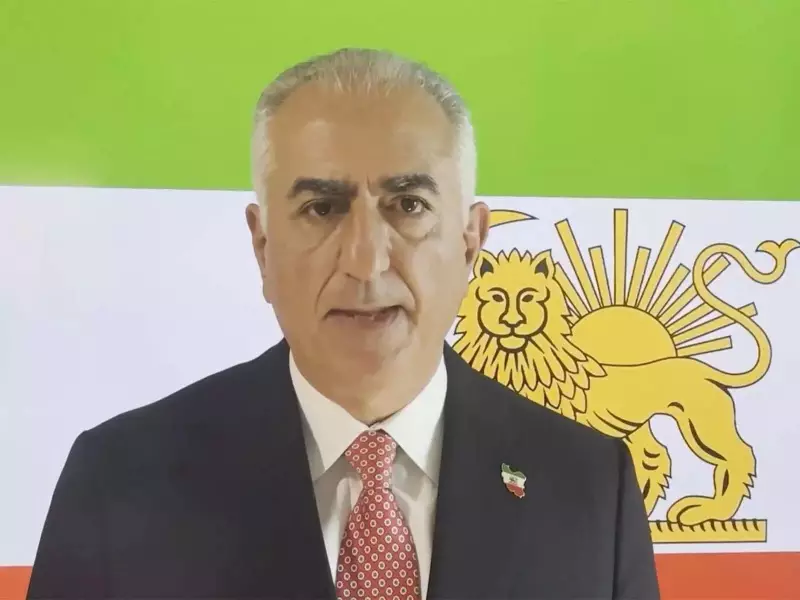
In a significant escalation of rhetoric, Reza Pahlavi, the exiled son of Iran's last monarch, has issued a direct call to action aimed at transforming the widespread protests across Iran into a full-scale movement for regime overthrow. His declaration comes as the Iranian government enforces a severe crackdown, claiming to have restored control amidst ongoing unrest.
From Solidarity to Strategy: Pahlavi's Political Gambit
Addressing his "brave compatriots" in a detailed Persian-language statement, Pahlavi moved beyond messages of support. He explicitly framed the massive scale of the demonstrations as a source of his own political authority. "With the legitimacy and acceptance I have received from you," he stated, "I declare another phase of the national uprising to overthrow the Islamic Republic and reclaim our beloved Iran." This marks a clear attempt to position himself not just as a sympathizer, but as a leader with a mandate derived from the people's anger.
Five Pillars of a Revolutionary Call
The core of Pahlavi's declaration outlines a strategic shift for the opposition movement, moving from protest to active confrontation.

1. Claiming Legitimacy from the Streets: Pahlavi asserts that the widespread nature of the protests grants him the authority to act and lead. He is translating public dissent into a personal political mandate, aiming to become a central figure for the fragmented opposition.
2. Escalating Tactics: The statement urges protesters to move beyond marches. It calls for them to "seize and hold the central streets of cities" and labels institutions responsible for state propaganda and cutting communications as "legitimate targets." This indicates a strategic focus on disrupting the state's operational machinery.
3. Appealing to Security Forces: A direct appeal is made to government employees, armed forces, and police. Pahlavi gives them a stark choice: "join the people and become allies of the nation, or choose to side with the killers of the people." This classic revolutionary tactic is designed to sow doubt within the regime's ranks and encourage defections.
4. Internationalizing the Conflict: Pahlavi extends his call beyond Iran's borders. He declares that "all Iranian embassies and consulates belong to the people of Iran" and should fly the national flag instead of the Islamic Republic's banner. This is a bid to symbolically demonstrate that the regime has lost the allegiance of its people on the global stage.
5. Projecting Inevitable Victory: Throughout, Pahlavi insists the regime is on the brink. He argues that increased violence is "not a sign of power, but of fear of collapse." He warns against giving the leadership time to recover, ending with a rallying cry: "The freedom of Iran is near. We are not alone. Global assistance will soon arrive."
A Defining Move in Exile Politics
This declaration represents Reza Pahlavi's most assertive and detailed political intervention to date. He is no longer offering passive encouragement from afar. Instead, he is presenting a roadmap for revolution and positioning himself as a potential political centre for an uprising he believes is nearing its ultimate goal: the downfall of the Islamic Republic. The regime's violent response and Pahlavi's coordinated call set the stage for a potentially decisive new chapter in Iran's ongoing turmoil.






