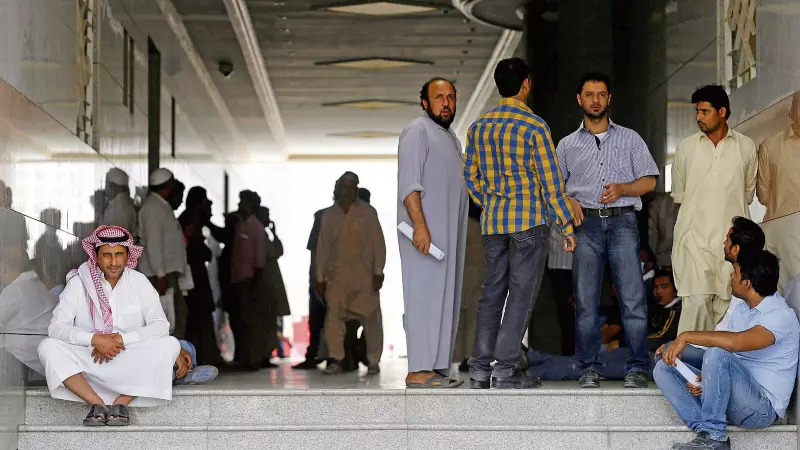
In a groundbreaking move that marks the end of an era, Saudi Arabia has officially dismantled the controversial Kafala sponsorship system, ushering in a new dawn for over 1.34 crore migrant workers in the kingdom. This historic labour reform represents one of the most significant shifts in Gulf employment policies in decades.
What Changed? The End of Sponsorship Control
The Kafala system, long criticized by human rights organizations, tied migrant workers directly to their employers (sponsors), creating an imbalanced power dynamic. Under the new reforms:
- Workers can now change employers freely upon contract completion
- Exit and re-entry visas no longer require employer permission
- Employees can transfer their sponsorship without sponsor consent
- Workers gain the right to leave Saudi Arabia freely after contract ends
Massive Impact on Indian Community
With approximately 2.6 million Indian workers in Saudi Arabia – the largest expatriate community in the kingdom – this reform brings transformative changes. Indian professionals, skilled workers, and labourers now enjoy:

- Enhanced mobility: Freedom to switch jobs without sponsor restrictions
- Better bargaining power: Improved negotiation position for salaries and benefits
- Reduced exploitation: Protection against unfair employment practices
- Career growth: Opportunities to advance without being tied to one employer
Economic Implications and Global Response
This strategic reform aligns with Saudi Arabia's Vision 2030 initiative, aimed at diversifying the economy and attracting global talent. By creating a more flexible and fair labour market, the kingdom positions itself as a more attractive destination for skilled professionals worldwide.
International labour organizations have hailed this decision as a major step toward protecting migrant workers' rights in the Gulf region. The changes are expected to set a precedent for other Gulf Cooperation Council (GCC) countries to follow.
What This Means for Future Migrants
For prospective workers considering employment in Saudi Arabia, these reforms create a more transparent and equitable environment. The elimination of sponsor dependency means:
- Reduced vulnerability to workplace abuse
- Improved work-life balance and personal freedom
- Enhanced ability to pursue better opportunities within the kingdom
- Stronger legal protections and recourse mechanisms
This landmark decision not only transforms the lives of current migrant workers but also reshapes the future of international employment in the Middle East, creating a more just and mobile workforce for generations to come.