

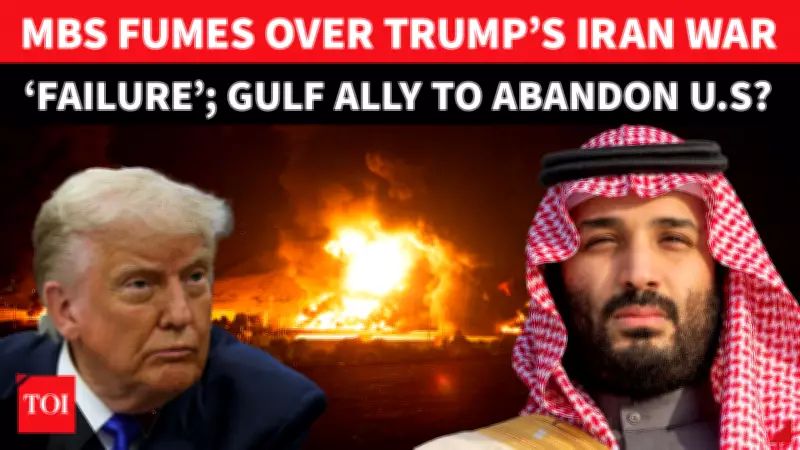
Saudi Arabia's MBS Voices Frustration Over Trump's Iran War Strategy
Saudi Arabia is growing increasingly frustrated with the United States over President Donald Trump's handling of the ongoing Iran war, according to recent reports. Concerns in Riyadh are centered on multiple critical issues that threaten regional stability.
Key Concerns Driving Saudi Frustration
The Saudi leadership, including Crown Prince Mohammed bin Salman (MBS), is reportedly alarmed by several aspects of the U.S. approach. Escalation risks are a primary worry, as Saudi officials fear the conflict could expand beyond current boundaries. Additionally, there are significant concerns about threats to critical infrastructure in the Gulf region, which could have devastating economic consequences.
Uncertainty over U.S. strategy is another major point of contention. The lack of a clear, consistent American policy has left Saudi Arabia questioning the long-term objectives and reliability of its key ally.

Saudi Arabia's Diplomatic Response
While publicly calling for restraint in the region, Saudi officials are now actively pushing for de-escalation behind the scenes. This shift comes amid growing fears of a widening regional conflict that could draw in multiple Middle Eastern nations and further destabilize the area.
The Saudi position represents a significant development in Middle Eastern geopolitics, as the kingdom has traditionally been one of America's closest allies in the region. This apparent break in ranks suggests deepening concerns about the direction of U.S. foreign policy under the Trump administration.
Broader Regional Implications
The growing Saudi frustration comes at a critical juncture in Middle Eastern affairs. Other regional powers are also watching the situation closely, with potential implications for:
- Gulf security arrangements
- International oil markets
- Counter-terrorism cooperation
- Broader Arab-Israeli relations
As tensions continue to simmer, the Saudi-American relationship faces one of its most significant tests in recent years. The outcome of this diplomatic friction could reshape alliances and power dynamics across the Middle East for years to come.






