

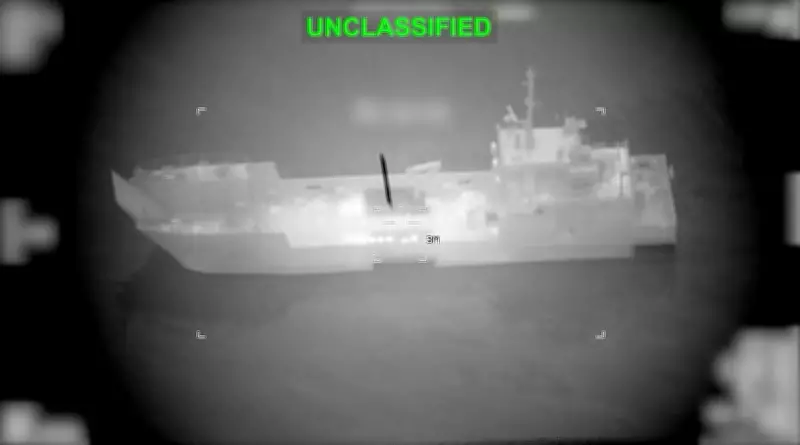
Three Commercial Vessels Targeted by Projectile Attacks in Strait of Hormuz
In a significant maritime security incident, three commercial vessels were struck by projectiles in the strategic Strait of Hormuz, a critical waterway for global oil shipments. The attacks occurred approximately 11 nautical miles north of Oman, raising immediate concerns about regional stability and shipping safety.
Details of the Targeted Vessels
Among the vessels affected was the Thailand-flagged bulk carrier Mayuree Naree, which sustained damage during the assault. Two independent maritime security sources confirmed the targeting and subsequent harm to the Mayuree Naree, highlighting the severity of the incident. The identities and conditions of the other two vessels involved have not been fully disclosed at this time, but initial reports indicate they were also commercial ships operating in the area.
Location and Timing of the Incident
The projectile attacks took place in the northern waters near Oman, specifically within the Strait of Hormuz, a narrow chokepoint that connects the Persian Gulf to the Gulf of Oman and the Arabian Sea. This location is notorious for its geopolitical tensions and previous maritime disruptions. The incident was reported on 11 March 2026, with updates emerging throughout the day as authorities and security agencies assessed the situation.

Implications for Maritime Security
This event underscores the ongoing vulnerabilities in one of the world's most vital shipping lanes. The Strait of Hormuz is a conduit for approximately one-fifth of the global oil supply, making any security breach here a matter of international concern. The targeting of multiple vessels suggests a coordinated or widespread threat, potentially impacting:
- Global energy markets, due to potential disruptions in oil and gas shipments.
- Maritime insurance rates, which could rise in response to increased risks.
- Regional diplomatic relations, as nations in the Middle East navigate the fallout.
Authorities are likely to increase patrols and security measures in the area to prevent further incidents. The involvement of a Thailand-flagged vessel also points to the international nature of shipping in the region, affecting countries far beyond the Middle East.
Response and Investigation
Maritime security sources are actively investigating the origins of the projectiles and the motives behind the attacks. No group has claimed responsibility yet, but such incidents often involve state or non-state actors with interests in destabilizing the region. The safety of the crews aboard the targeted vessels remains a priority, with rescue and support operations potentially underway.
This incident serves as a stark reminder of the persistent threats facing commercial shipping in conflict-prone areas. As details continue to emerge, stakeholders from the shipping industry, governments, and international organizations will be closely monitoring developments to ensure the security of maritime trade routes.






