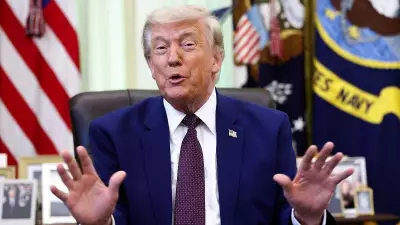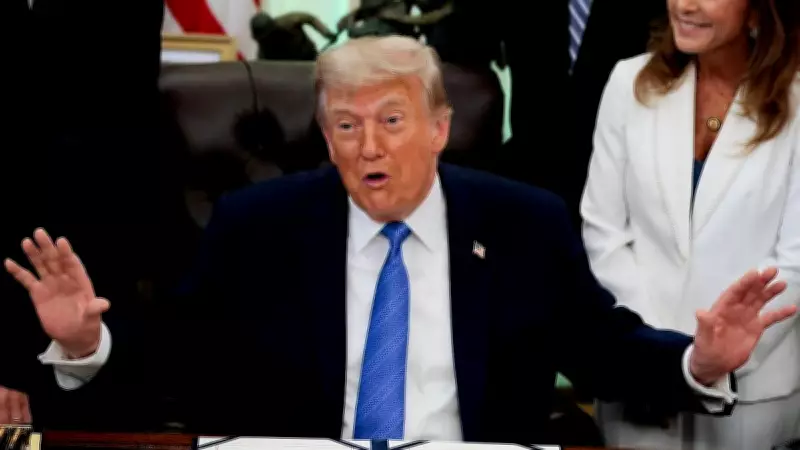
US President Donald Trump has issued a stern warning to Iran, stating that the United States will be attacking them very hard. The remarks came during a recent press interaction, where Trump also revealed that the US has been taking oil out of Iran.
Escalation in Rhetoric
Trump's latest comments mark a significant escalation in the ongoing tensions between the two nations. He did not provide specific details about the nature of the attacks or the timeline, but his strong language signals a potential shift in US strategy toward Iran.
Claims of Oil Seizure
In addition to the threat of attacks, Trump asserted that the United States has been actively taking oil from Iran. This claim, if substantiated, could have major implications for global oil markets and further strain relations between the two countries. The exact mechanism or legal basis for such actions was not elaborated upon.

Reactions and Implications
The international community is closely watching the developments. Analysts suggest that such aggressive posturing could lead to a military confrontation in the volatile West Asia region. Iran has not yet officially responded to Trump's latest statements, but previous exchanges have been marked by mutual threats and retaliatory measures.
The US administration has maintained a hardline stance on Iran, focusing on economic sanctions and diplomatic isolation. However, Trump's latest remarks indicate a possible move toward direct military action, raising concerns about regional stability.
Oil Market Impact
The claim of oil seizure has already sparked volatility in oil prices. Market experts are assessing the potential disruption to supply chains if the US indeed targets Iranian oil assets. Iran is a major oil producer, and any interference with its exports could affect global energy markets.
As the situation unfolds, diplomatic channels remain open, but the tone from Washington suggests a preference for coercive measures. The coming days will be critical in determining whether these threats translate into concrete actions or remain part of the ongoing war of words.