

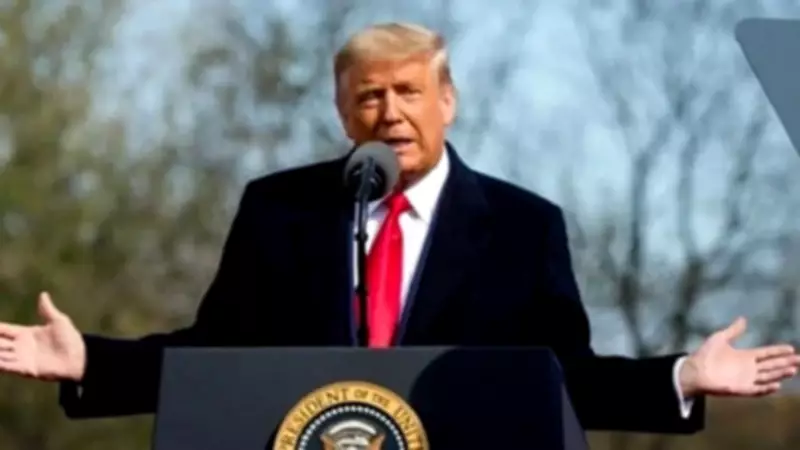
A US official has disclosed that President Donald Trump is unhappy with the latest proposal put forward by Iran in the ongoing nuclear negotiations. The official, speaking on condition of anonymity, stated that the White House views the Iranian offer as insufficient and lacking in key areas required for a comprehensive agreement.
Background of the Talks
The discussions aim to revive the 2015 Joint Comprehensive Plan of Action (JCPOA), from which the United States withdrew in 2018 under Trump's administration. Since then, Iran has expanded its nuclear activities, prompting renewed diplomatic efforts. The current round of talks has been underway for several weeks, with both sides presenting proposals.
Reactions from Washington
The US official emphasized that the administration is committed to a diplomatic resolution but will not accept a deal that fails to address all concerns. "The president has made it clear that any agreement must verifiably prevent Iran from obtaining a nuclear weapon," the official said. "The current Iranian proposal does not meet that standard."

Senior White House aides have reportedly reviewed the proposal and advised Trump to reject it. The administration is now considering its next steps, which could include presenting a counter-proposal or applying additional pressure through sanctions.
Iran's Position
Iranian officials have defended their proposal, stating that it represents a balanced approach that respects the rights of all parties. They have called on the US to show flexibility and lift sanctions that have crippled the Iranian economy. Tehran has also warned that further delays or rejections could lead to an escalation of its nuclear program.
International observers have expressed concern over the impasse, urging both sides to compromise to prevent a crisis. The European Union, which has facilitated the talks, continues to mediate between the parties.
Implications for the Region
The failure to reach an agreement could have significant consequences for the Middle East. Iran's nuclear advancements have alarmed Israel and Gulf states, which have called for a robust international response. Meanwhile, Russia and China have backed Iran's position, criticizing US unilateralism.
As the situation develops, all eyes are on Washington and Tehran to see if they can bridge their differences. The coming weeks will be crucial in determining the fate of the nuclear deal and the broader stability of the region.






