

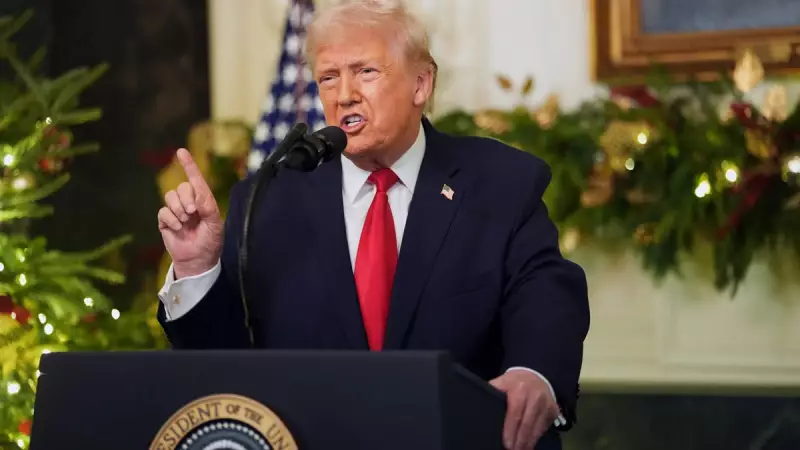
Trump Issues Strong Warning to Iraq Over Potential Political Comeback of Former PM Al-Maliki
In a significant development concerning Middle Eastern geopolitics, former United States President Donald Trump has issued a stern and direct warning to the government of Iraq. The warning centers on the potential political return of former Iraqi Prime Minister Nouri al-Maliki, a figure whose previous tenure was marked by controversy and sectarian tensions.
Concerns Over Iran's Deepening Regional Influence
Trump's statement explicitly cited concerns over the deepening influence of Iran in Iraqi affairs as a primary reason for his warning. He emphasized that al-Maliki's possible resurgence in Iraqi politics could further empower Tehran's strategic interests in the region, potentially destabilizing the delicate balance of power. This move underscores ongoing apprehensions in certain Western circles about Iran's expanding role in Iraq's internal political landscape.
Historical Context and Al-Maliki's Previous Tenure
Nouri al-Maliki served as the Prime Minister of Iraq from 2006 to 2014, a period that saw significant challenges including:

- Heightened sectarian violence between Sunni and Shia communities.
- The rise of extremist groups like the Islamic State (ISIS), which gained territory during his later years in office.
- Allegations of authoritarian governance and marginalization of Sunni populations.
His tenure was often criticized for policies that many analysts believe contributed to internal strife and created openings for external actors like Iran to increase their sway. Trump's warning appears to be rooted in these historical grievances, suggesting that a return to such leadership could reignite old conflicts.
Implications for US-Iraq Relations and Regional Stability
This warning from a prominent former US leader carries weighty implications for the future of US-Iraq relations. It signals a continued American interest in the political direction of Iraq, even as the country navigates complex domestic and international pressures. The statement may influence diplomatic dialogues and could be seen as an attempt to shape Iraqi political decisions from afar.
Moreover, the focus on Iran's influence highlights broader regional tensions, particularly the ongoing rivalry between Iran and other powers in the Middle East. Trump's remarks could exacerbate existing frictions, prompting responses from both Iraqi officials and Iranian leaders.
Reactions and Potential Outcomes
While immediate reactions from the Iraqi government or al-Maliki himself have not been detailed in the initial report, such a public warning is likely to spark discussions within Iraqi political circles. Potential outcomes might include:
- Increased scrutiny on al-Maliki's political activities and alliances.
- A reassessment of Iraq's foreign policy stance to balance relations with both the US and Iran.
- Possible diplomatic maneuvers to address American concerns without appearing subservient to external pressures.
As the situation develops, observers will be watching closely to see how Iraq navigates these external warnings while addressing its internal political dynamics.






