

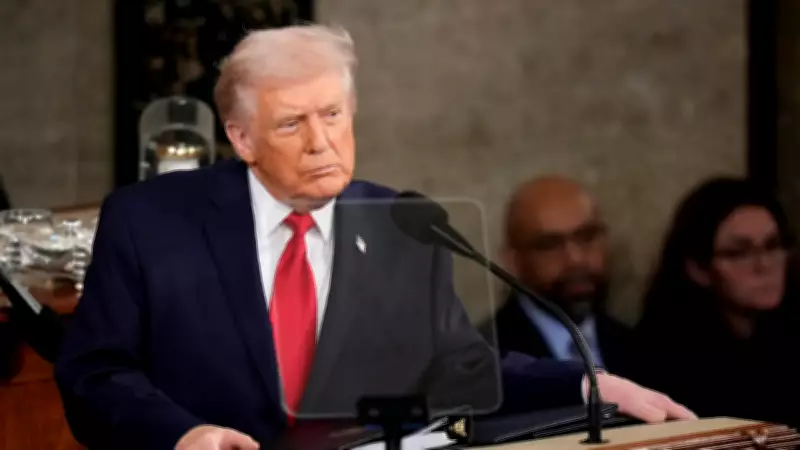
Trump's Stark Warning to Iran Over Strait of Hormuz Deadline
US President Donald Trump has dramatically intensified the ongoing Middle East conflict by issuing a fresh ultimatum to Iran, demanding the reopening of the Strait of Hormuz by a self-imposed Tuesday deadline. He warned that failure to comply would result in sweeping military strikes targeting Iranian infrastructure, including power plants and bridges. This aggressive move follows weeks of escalating hostilities that have already disrupted global oil flows, rattled financial markets, and drawn multiple nations into the volatile situation.
Iran's Defiant Response and Mockery of US Demands
Tehran has responded with a mix of defiance and mockery, dismissing Trump's ultimatum outright. Iranian officials have trolled Washington with cryptic remarks such as "we've lost the keys" and "next request, please," signaling a blend of information warfare and steadfast resistance. Parliament Speaker Mohammad Bagher Ghalibaf accused Trump of dragging the United States into a "living hell" and alleged that American actions are being influenced by Benjamin Netanyahu, further heightening tensions.
Expansion of Conflict Beyond Iranian Borders
The crisis has escalated beyond Iran's territory, with Tehran striking infrastructure in Gulf countries and threatening to disrupt another critical chokepoint, the Bab el-Mandeb Strait. These actions risk widening the conflict and severely disrupting global trade routes. Iranian officials have also tied any reopening of the Strait of Hormuz to conditions like compensation for war damages, exacerbating fears of a broader economic and maritime crisis.

Recent Airstrikes and Civilian Impact in Tehran
Fresh airstrikes have rocked Tehran, with explosions reported overnight affecting civilian areas, including in Qom. Both sides have targeted or threatened dual-use infrastructure such as oil facilities and desalination plants, raising concerns over potential violations of international humanitarian law. The fallout has spilled into neighboring states, with fires breaking out at industrial sites in the UAE due to intercepted projectiles, damaging key facilities across Gulf nations.
Aerial Engagements and Rescue Operations
The conflict deepened after Iran downed US aircraft, including an F-15E fighter jet, prompting a high-risk rescue mission by the US to retrieve injured personnel from inside Iranian territory. Conflicting accounts have emerged, with Iran claiming additional American losses and Washington attributing some aircraft destruction to technical failures. Iranian state media has aired visuals of alleged wreckage from multiple US aircraft, while reports indicate helicopters were damaged during operations, underscoring the intensity of the aerial campaign.
Ongoing Diplomatic Efforts Amid Rising Tensions
Despite the severe escalation, diplomatic channels remain open, with talks involving Oman and outreach by regional and global powers attempting to avert full-scale war. However, with both sides hardening their positions and deadlines looming, the window for de-escalation is rapidly narrowing, leaving the Middle East in a precarious state of brinkmanship.






