

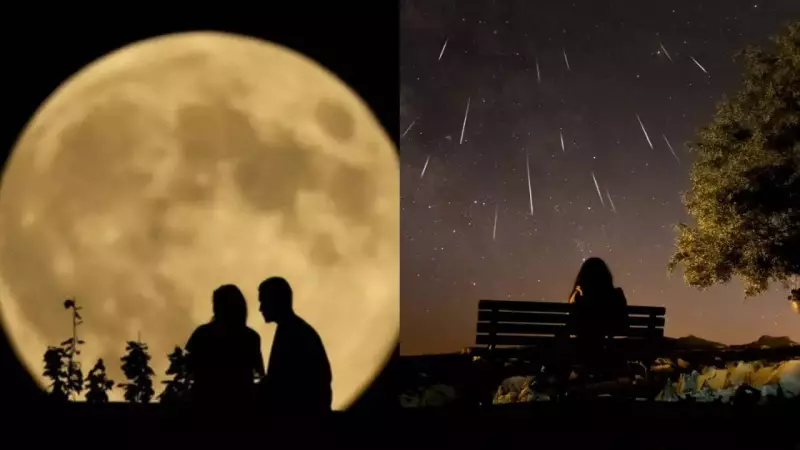
Residents of the United Arab Emirates with a passion for the cosmos are in for a spectacular treat. The year 2026 is set to be a banner year for skywatchers, packed with a series of dazzling astronomical events that will light up the Arabian skies. From multiple supermoons to intense meteor showers and striking planetary meetings, the celestial calendar offers a non-stop invitation to look upwards.
A Year Bookended by Brilliant Supermoons
The lunar show begins with a bang. While the Super Wolf Moon on January 3 has passed, astronomy enthusiasts need not worry. According to the Dubai Astronomy Group, two more supermoons will grace the UAE sky later in the year. A supermoon occurs when a full moon coincides with the moon's closest approach to Earth, making it appear larger and up to 30% brighter than a typical full moon.
Mark your calendars for the Beaver Supermoon on November 24 and the highly anticipated Cold Supermoon on December 24. The Christmas Eve supermoon is particularly special, as it will be the closest and brightest supermoon observed since 2019, offering a magical holiday sight.

Meteor Showers: Shooting Stars Galore
Beyond the moon, 2026 will be rich with opportunities to witness shooting stars. Several major meteor showers are scheduled throughout the year, peaking on specific nights for optimal viewing.
The year starts with the Quadrantids in early January. However, the most awaited showers are the Perseids in mid-August, famous for their bright and fast meteors, and the Geminids in mid-December. The Geminids are often the year's best, with the potential to produce over 100 meteors per hour under dark skies.
With its vast deserts offering minimal light pollution, the UAE is an ideal location for meteor watching. Other notable showers include the Lyrids in April, the Eta Aquariids in May, and the Orionids in October.
Planetary Alignments and Other Celestial Highlights
The cosmic display extends to other planets and rare alignments. Jupiter will reach opposition on January 10, appearing at its brightest for the year. Skywatchers should also watch for captivating planetary conjunctions, including a close pairing of Venus and Jupiter in June and Mars and Jupiter in November.
Furthermore, a total lunar eclipse on March 3 may create a dramatic "Blood Moon" effect, visible from parts of the world. These events collectively make 2026 a globally significant year for astronomy, attracting enthusiasts from across the planet.
Essential Viewing Tips for UAE Residents
To make the most of these events, local astronomers recommend a few simple steps:
- Location is Key: Head to dark-sky areas like desert outskirts, remote beaches, or rural locations far from city lights.
- No Fancy Gear Needed: Meteors and planetary alignments are best enjoyed with the naked eye. Just bring patience and a reclining chair.
- Timing & Adaptation: Arrive at your viewing spot at least 30-45 minutes before the peak to allow your eyes to adjust to the darkness.
- Favorable Seasons: Winter and early spring nights in the UAE typically offer the clearest and most comfortable conditions for stargazing.
This abundance of naked-eye events presents a golden opportunity for both amateur astrophotographers and casual observers. In response, local astronomy groups in the UAE are planning special stargazing nights, photography workshops, and educational sessions to help the community engage with the wonders above.
From the oversized glow of a supermoon on the horizon to the sudden streak of a meteor, 2026 promises a year-long celestial festival, reminding everyone in the Emirates to simply look up and marvel.






