

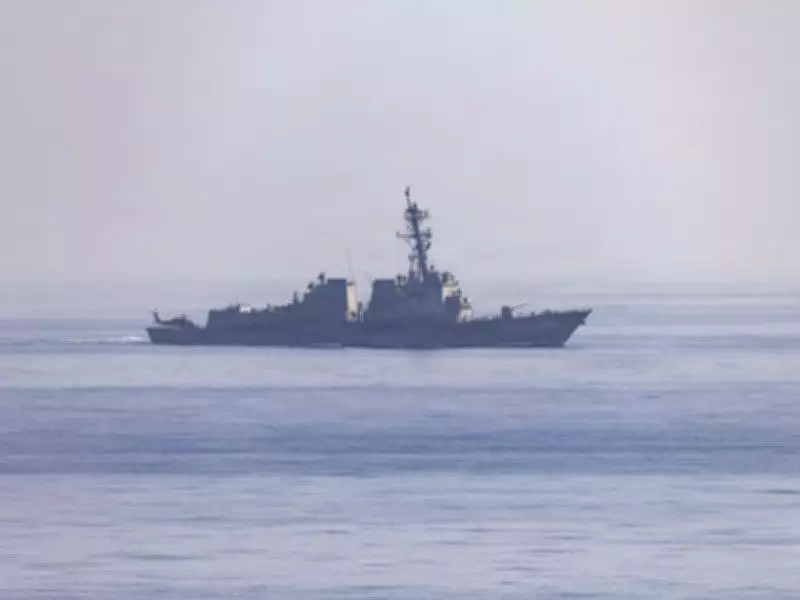
US CENTCOM Enforces Naval Blockade in Gulf of Oman Amid Heightened Security Concerns
The United States Central Command (CENTCOM) has officially announced the enforcement of a naval blockade in the strategic Gulf of Oman, a critical maritime chokepoint linking the Arabian Sea to the Persian Gulf. This decisive military action comes in response to escalating security threats and regional instability, with US warships now actively patrolling the waters to monitor and intercept suspicious vessels. The blockade aims to prevent the smuggling of weapons, illicit goods, and other contraband that could fuel conflicts in the volatile Middle East.
Strategic Deployment and Operational Readiness
In a significant show of force, CENTCOM has deployed a fleet of advanced warships, including destroyers and frigates, to establish a robust presence in the Gulf of Oman. Military officials have emphasized that these vessels are equipped with state-of-the-art surveillance technology and are operating under strict protocols to ensure maritime security. The blockade is part of a broader strategy to deter adversarial activities and protect international shipping lanes, which are vital for global oil trade and economic stability. According to CENTCOM statements, personnel are on high alert and prepared to respond to any potential threats, underscoring the command's commitment to regional peace.
Implications for Regional and Global Security
The enforcement of this naval blockade has far-reaching implications, particularly in a region already grappling with geopolitical tensions. The Gulf of Oman serves as a key transit route for approximately 20% of the world's oil supply, making any disruption a matter of international concern. By imposing this blockade, the US aims to curb the influence of hostile actors and prevent the escalation of conflicts that could spill over into neighboring countries. Analysts suggest that this move may also signal a shift in US foreign policy towards a more assertive stance in the Middle East, potentially affecting diplomatic relations with regional powers.

Response from International Community and Future Outlook
Reactions from the international community have been mixed, with some nations expressing support for the US-led security measures, while others voice concerns over sovereignty and potential escalation. CENTCOM has assured that the blockade is conducted in accordance with international law and in coordination with allied forces, aiming to minimize disruptions to legitimate maritime traffic. Looking ahead, the success of this operation will depend on sustained vigilance and cooperation among global partners. As tensions persist, the naval blockade in the Gulf of Oman is likely to remain a focal point in discussions on maritime security and counterterrorism efforts, with CENTCOM reiterating its readiness to adapt to evolving threats in the region.






