

US Intelligence Report: Iranian Government Stability Assessed as Secure
A recent assessment from United States intelligence agencies has concluded that the government of Iran is not currently at risk of collapse, despite ongoing military actions and strategic strikes conducted by both the US and Israel. This evaluation comes amid heightened tensions and a series of targeted operations that have significantly impacted Iranian infrastructure and leadership.
Military Strikes Target Critical Iranian Assets
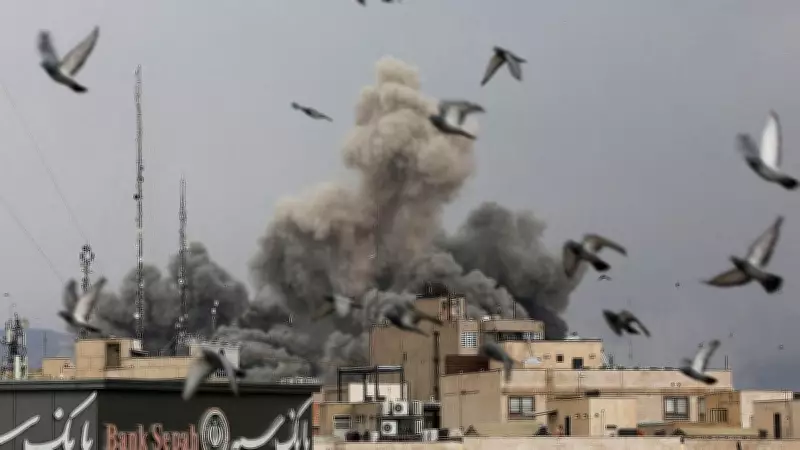
Since the initiation of their coordinated war efforts, the United States and Israel have executed a comprehensive range of strikes against Iranian targets. These military operations have been meticulously planned to disrupt key sectors of Iran's national security apparatus. The strikes have specifically focused on air defense systems, which are crucial for protecting Iranian airspace and military installations from external threats.
In addition to air defenses, the attacks have also targeted nuclear sites, raising concerns about Iran's nuclear program and its potential for weaponization. Furthermore, members of Iran's senior leadership have been directly impacted, indicating a strategic effort to destabilize the country's political and military command structure. Despite these aggressive measures, US intelligence analysts maintain that the Iranian government retains sufficient control and resilience to prevent any imminent collapse.

Analysis of Government Resilience and Regional Implications
The intelligence report underscores the complex dynamics within Iran's political and social fabric. It suggests that while the strikes have caused significant damage and disruption, they have not yet eroded the foundational stability of the Iranian regime. The government's ability to maintain order and continue its operations in the face of such adversity is attributed to several factors, including internal security measures, popular support in certain segments, and the regime's historical endurance through previous conflicts.
This assessment has important implications for regional stability in the Middle East. If the Iranian government were perceived as vulnerable to collapse, it could lead to increased volatility, with potential power vacuums and intensified proxy conflicts. However, the current intelligence view indicates a more protracted scenario, where Iran continues to pose a significant challenge to US and Israeli interests without immediate regime change.
Key Points from the Intelligence Assessment:- The Iranian government is assessed as stable and not facing collapse risks in the near term.
- US and Israeli strikes have targeted air defenses, nuclear sites, and senior leadership.
- These military actions have not yet undermined the regime's core stability.
- The situation requires ongoing monitoring due to potential shifts in internal dynamics.
As the conflict evolves, US intelligence agencies will continue to evaluate indicators of government stability in Iran. Future military strategies may need to adapt based on these assessments, balancing offensive operations with diplomatic efforts to address broader security concerns in the region.






