

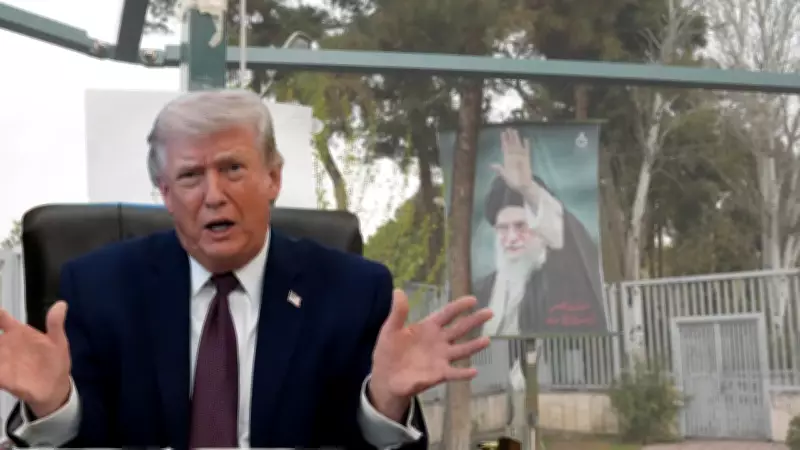
A Fragile Pause Takes Hold in the Middle East
A delicate and temporary ceasefire has been established in the Middle East following an agreement between the United States and Iran for a two-week pause in hostilities. The announcement came just hours before a critical deadline set by US President Donald Trump for potential large-scale military strikes, offering a brief reprieve rather than a definitive solution to the ongoing crisis.
Escalation and Immediate Relief
The truce follows weeks of intensifying conflict that featured US and Israeli airstrikes targeting Iranian assets, coupled with retaliatory attacks launched by Tehran across the region. At the heart of this geopolitical storm lies the Strait of Hormuz, a crucial global energy chokepoint through which approximately one-fifth of the world's oil supply flows. As part of the ceasefire terms, Iran has consented to reopen this vital maritime route for commercial shipping during the two-week period, providing immediate relief to global markets and easing fears of a prolonged economic shock.
Despite this agreement, violence has not completely ceased. Israeli military operations in Lebanon have persisted, and missile alerts were reported in various parts of the Gulf region. The coming fortnight is anticipated to critically test whether diplomatic efforts can achieve what military pressure has thus far failed to accomplish.

Pakistan's Pivotal Mediating Role
Pakistan has asserted a significant, though largely behind-the-scenes, role in facilitating negotiations between Washington and Tehran. Officials in Islamabad maintained continuous communication with both parties, relaying proposals and assisting in shaping what ultimately became a provisional ceasefire framework. According to statements from Pakistani officials, the breakthrough followed direct appeals to delay US military escalation and allow diplomacy an opportunity to work.
Pakistan also advocated for the temporary reopening of the Strait of Hormuz, a key condition that eventually became part of the final agreement. Prime Minister Shehbaz Sharif has now extended invitations to both nations to convene in Islamabad for talks aimed at reaching what he describes as a "conclusive agreement." While the United States has not formally confirmed its participation, Tehran has expressed willingness to attend these crucial discussions.
However, officials familiar with the negotiation process caution that mutual trust between the two sides remains extremely limited, suggesting that upcoming talks are likely to encounter substantial difficulties.
Ceasefire Terms and Unresolved Issues
The two-week ceasefire is both conditional and narrowly defined in its scope. Iran has agreed to permit shipping through the Strait of Hormuz, though it insists the passage will remain under its supervision. Emerging reports indicate Tehran may seek to impose transit fees in coordination with Oman, a potential move that could spark contention with global powers.
For Washington, this pause provides valuable time to negotiate limitations on Iran's nuclear program and regional activities. President Trump claimed the United States had achieved a "total and complete victory" and stated that Iran's uranium enrichment concerns would be addressed under the agreement.
Nevertheless, major sticking points persist. Iran's reported ten-point proposal includes demands such as lifting international sanctions, withdrawing US military forces from the region, and formal recognition of its right to uranium enrichment. These positions are unlikely to gain full acceptance from Washington.
Israel, under Prime Minister Benjamin Netanyahu, has expressed support for the ceasefire with Iran but clarified that it does not extend to Lebanon, where conflict with Hezbollah continues. This contradiction has already revealed significant gaps in how different parties interpret the terms of the agreement.
The Path Forward and International Response
The next phase of this diplomatic process will center on talks expected to commence in Islamabad. Diplomats will attempt to transform this temporary truce into a more comprehensive agreement addressing the fundamental causes of the conflict, including Iran's nuclear ambitions and its network of regional allies.

International actors are increasingly engaging with the situation. NATO Secretary General Mark Rutte is scheduled to meet with President Trump in Washington, while United Nations Secretary-General António Guterres has urged all parties to honor the ceasefire and pursue lasting peace through diplomatic channels.
Global markets have responded positively to the developments, with oil and gas prices declining and equity markets rising on optimism that the worst of the crisis may have passed. Yet on the ground, the situation remains volatile, characterized by sporadic attacks and profound mistrust between the involved parties, underscoring the fragile nature of this temporary peace.





