

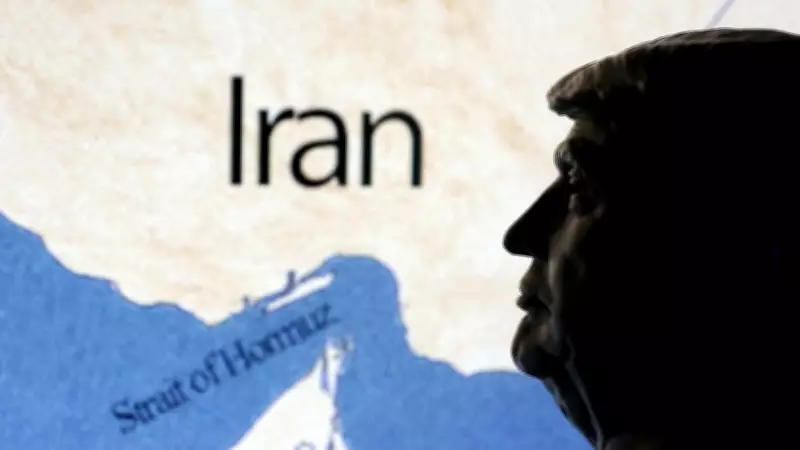
US and Iran to Hold Nuclear Talks in Oman Amid Heightened Regional Tensions
A senior diplomat has confirmed that the United States and Iran are preparing to engage in nuclear discussions in Oman, a development that comes at a time of escalating tensions in the Middle East. This diplomatic initiative aims to address longstanding issues surrounding Iran's nuclear program, which has been a focal point of international concern for years.
Maritime Incident Adds to Regional Strain
According to reports from the maritime risk management group Vanguard, the decision to hold talks follows a recent incident in the Gulf waters. Iranian boats reportedly ordered a commercial tanker to halt its engine and prepare for boarding. In a bold move, the tanker defied the order by accelerating and continuing its voyage uninterrupted.
This event underscores the volatile security environment in the region, where such confrontations have become increasingly common. The incident highlights the risks faced by international shipping lanes and the potential for miscalculations that could lead to broader conflicts.

Oman's Role as a Neutral Mediator
Oman has been chosen as the venue for these talks due to its reputation as a neutral mediator in Middle Eastern diplomacy. The Sultanate has historically played a pivotal role in facilitating dialogue between adversarial nations, leveraging its diplomatic channels to bridge gaps and foster understanding.
The choice of Oman reflects a strategic effort to create a conducive environment for negotiations, away from the direct pressures of more polarized regional capitals. This setting is expected to provide both parties with the space needed to engage in substantive discussions without immediate external distractions.
Broader Implications for Regional Stability
The upcoming talks are seen as a critical step toward de-escalating tensions that have been mounting in the Gulf region. Key areas of discussion are likely to include:
- Compliance with international nuclear agreements
- Measures to ensure maritime security in strategic waterways
- Pathways to reducing military provocations and building trust
Experts suggest that successful negotiations could pave the way for improved bilateral relations and contribute to a more stable security architecture in the Middle East. However, the path forward remains fraught with challenges, given the complex history and competing interests involved.
The international community is closely monitoring these developments, recognizing that the outcome of the Oman talks could have far-reaching consequences for global energy markets and geopolitical alignments. As both nations prepare to sit down at the negotiating table, the hope is that diplomacy will prevail over confrontation, offering a renewed chance for peace and stability in a region long plagued by conflict.






