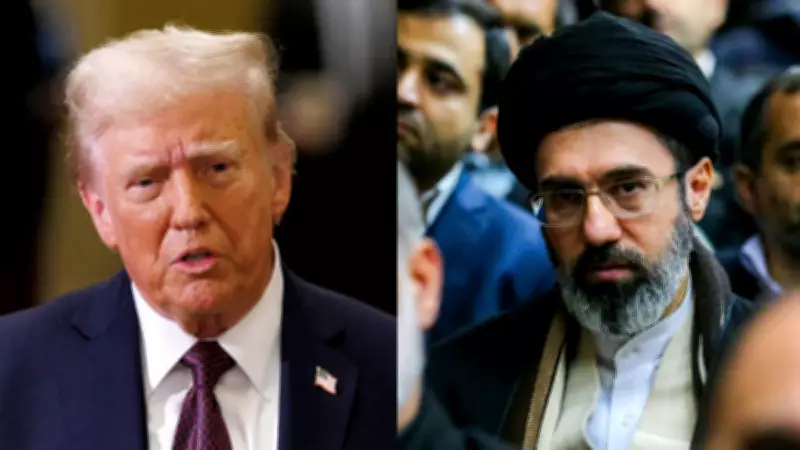
The prospect of a second round of conflict between the United States and Iran has raised alarms worldwide, with analysts predicting far-reaching consequences for global stability and the economy. As diplomatic channels remain strained, the possibility of military escalation looms large, threatening to disrupt energy markets, security alliances, and international trade.
Escalating Tensions
Recent developments have seen both nations engage in aggressive posturing. The United States has deployed additional naval assets to the Persian Gulf, while Iran has accelerated its uranium enrichment program beyond agreed limits. These actions have effectively dismantled any remaining framework of the 2015 nuclear deal, known as the Joint Comprehensive Plan of Action (JCPOA).
Economic Fallout
The most immediate impact of a renewed US-Iran conflict would be on global oil prices. The Strait of Hormuz, a critical chokepoint for oil tankers, could become a flashpoint. Any disruption to shipping through this waterway would send oil prices skyrocketing, affecting economies worldwide. Analysts warn that a sustained conflict could push crude oil prices above $150 per barrel, triggering a global recession.

- Supply Chain Disruptions: The region is a major hub for global trade, and any conflict would disrupt shipping routes, leading to delays and increased costs for goods.
- Stock Market Volatility: Financial markets have already shown signs of instability, with major indices experiencing sharp declines on news of rising tensions.
- Sanctions and Countermeasures: The US may impose additional sanctions on Iran, while Iran could retaliate by blocking oil shipments or targeting US allies in the region.
Security Implications
A second round of conflict would have profound security implications for the Middle East and beyond. Iran has the capability to strike US allies such as Israel and Saudi Arabia, potentially drawing them into the conflict. This could lead to a broader regional war, involving proxy forces in Lebanon, Syria, Yemen, and Iraq.
Nuclear Concerns
Iran's accelerated nuclear activities have raised fears that it could develop a nuclear weapon. While Tehran insists its program is peaceful, the International Atomic Energy Agency (IAEA) has reported that Iran now has enough enriched uranium to produce multiple warheads. The US has warned that it will not allow Iran to obtain a nuclear weapon, leaving the door open for preemptive strikes.
Global Response
The international community has called for restraint. The United Nations has urged both sides to return to negotiations, but efforts have been hampered by mutual distrust. European allies have attempted to mediate, but their influence is limited. Meanwhile, China and Russia have positioned themselves as potential mediators, though their interests may not align with de-escalation.
What to Watch For
- Diplomatic Moves: Any signs of backchannel talks or third-party mediation could ease tensions.
- Military Posturing: Further deployments or exercises by either side could signal an imminent conflict.
- Cyber Attacks: Both nations have engaged in cyber warfare, and a second round could see increased attacks on critical infrastructure.
In conclusion, the world is watching closely as the US and Iran edge closer to another confrontation. The stakes have never been higher, with potential shocks to the global economy, security, and nuclear non-proliferation efforts. As the situation evolves, all eyes will be on the Persian Gulf, waiting to see if diplomacy can prevail over disaster.